Roger Williams University's Aquaculture Program
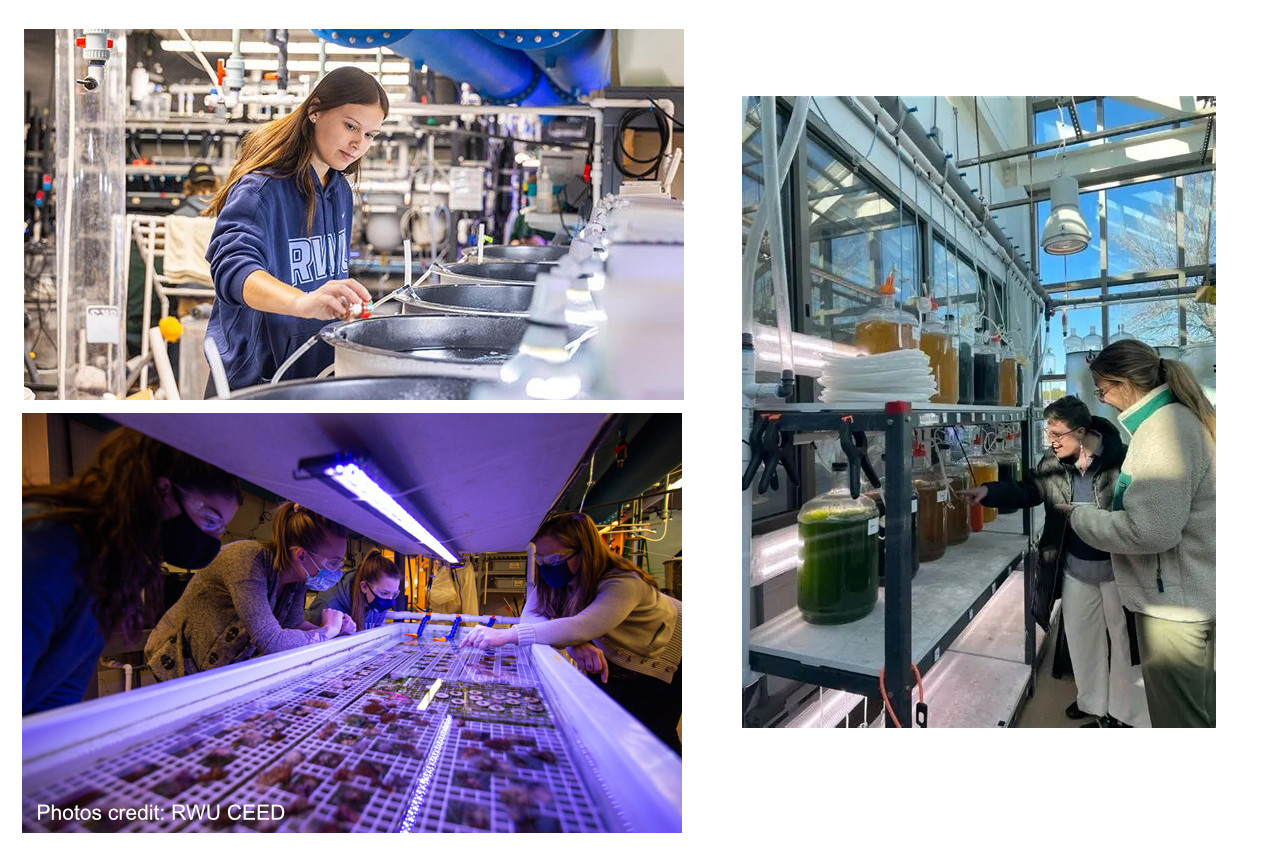
Quality Marine has long been proud to support Roger Williams University’s aquaculture program by purchasing their cultured species as well as even hiring some of their graduates. Our goal is to purchase as many species as possible to help fund the wet lab to reduce the need for students and facility to apply for grants. RWU is particularly recognized for pioneering work in marine ornamental aquaculture, especially with clownfish, Yasha Gobies, Fire Shrimp, Peppermint Shrimp, Seahorses, live feeds, coral propagation, and shellfish hatchery production. The species cultured change over time as new student research projects and conservation initiatives are introduced, making the program one of the most diverse university-based aquaculture programs in the United States.
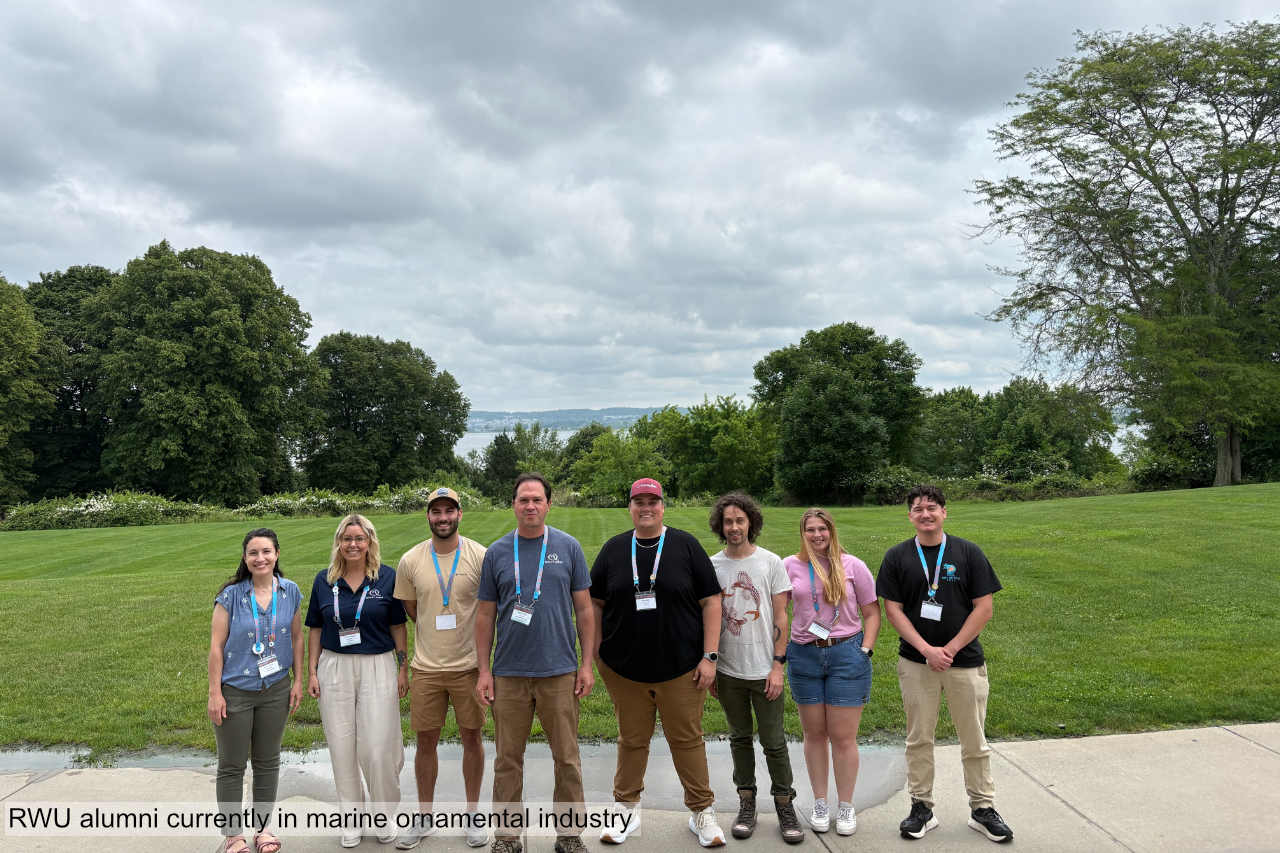
Roger Williams University (RWU) offers one of the few undergraduate programs in the country dedicated specifically to Aquaculture and Aquarium Science. The program combines classroom learning with extensive hands-on experience in aquaculture, aquarium husbandry, aquatic animal health, and marine research through the university's Center for Economic and Environmental Development (CEED).
A distinguishing feature of the program is its emphasis on experiential learning. Students work in RWU's Wet Lab, which supports the culture of marine ornamental fish, shrimp, copepods, and other live feeds. They gain practical experience in aquatic animal husbandry, aquarium system design and maintenance, larval rearing, broodstock management, nutrition, and marine ornamental aquaculture, which helps the students prepare for valuable careers.
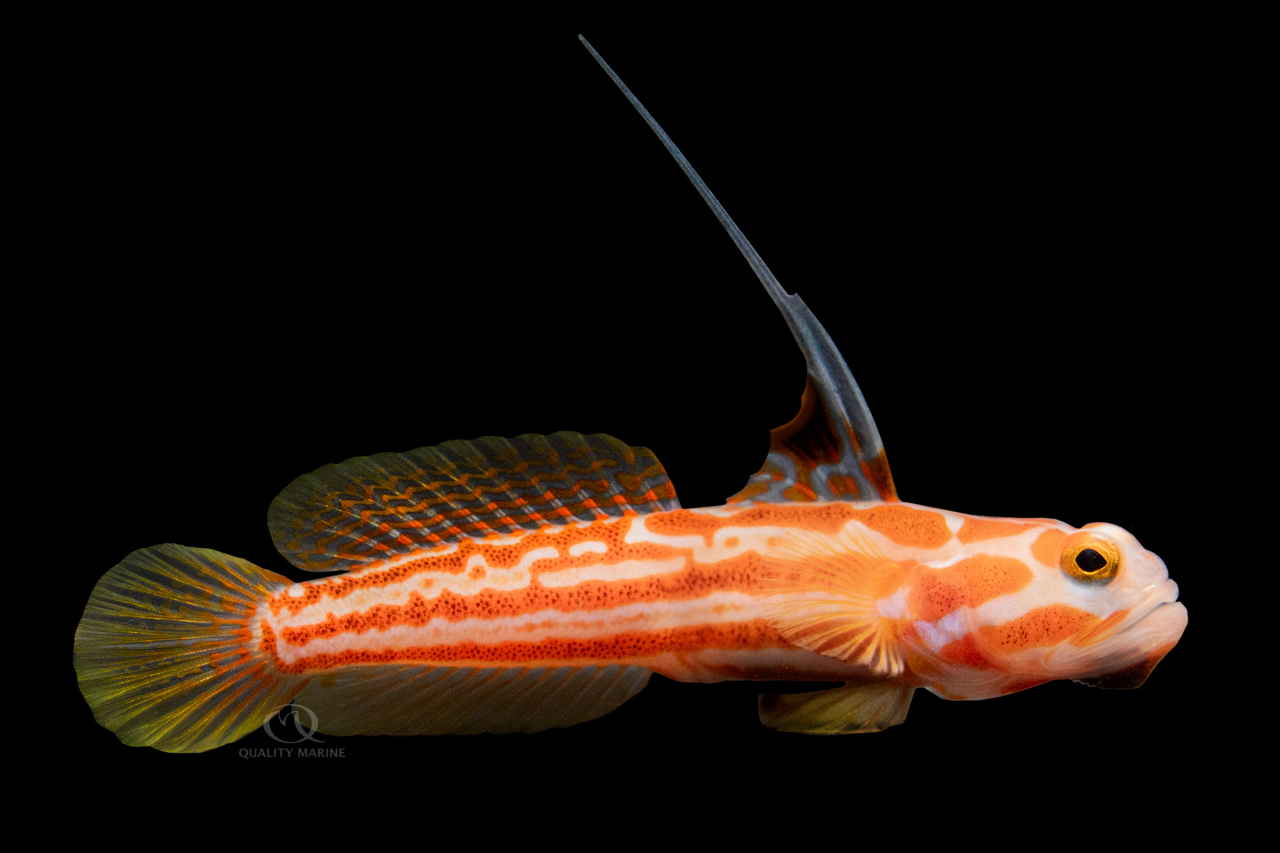
Marine Ornamental Fish
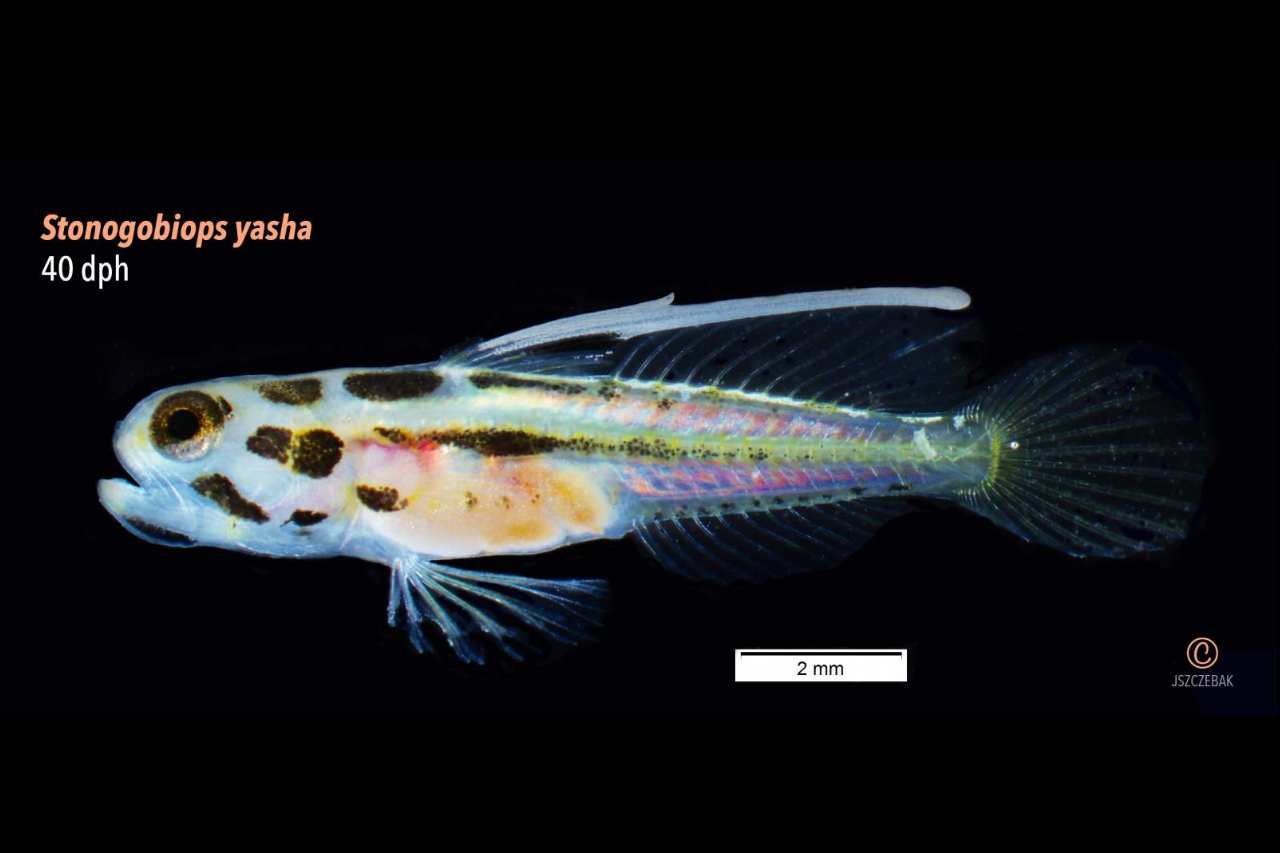
- Yasha Goby
- Clownfish (multiple species and designer varieties)
- Blue Reef Chromis
- Green Chromis
- Matted Algae Eating Filefish
- Lookdown
- Catalina Goby
- Blue Tang
- Lined Seahorse
Marine Ornamental Invertebrates
- Fire Shrimp
- Species of Peppermint Shrimp
- Cleaner Shrimp
- Coral Banded Shrimp
Live Feeds
- Brine Shrimp
- Copepods
- Mysis Shrimp
- Rotifers
Microalgae
- Tisochrysis lutea
- Chaetoceros muelleri
- Thalassiosira weissflogii
- Rhodomonas salina
- Pavlova pinguis
- Tetraselmis spp.
- Nannochloropsis oculata
Supporting Roger Williams University's Aquaculture and Aquarium Science Program is an investment in the future of marine ornamental aquaculture, conservation, and the aquarium industry. The program prepares the next generation of aquaculture professionals through hands-on education in fish breeding, shellfish hatchery operations, coral propagation, aquatic animal health, and aquarium husbandry. By combining classroom instruction with practical experience in working hatcheries and laboratories, students graduate with the skills needed to strengthen the rapidly growing aquaculture sector.
Support also advances research that benefits both the environment and the economy. Faculty and students develop improved methods for breeding marine ornamental fish, invertebrates and producing live feeds that are essential for successful aquaculture that are shared with the aquaculture community. Their work helps reduce pressure on wild-caught animals by increasing the availability of responsibly cultured species while contributing to healthier coastal ecosystems through shellfish restoration and sustainable aquaculture practices.
The program also serves as a valuable resource for industry partners, public aquariums, conservation organizations, and government agencies by fostering collaboration, innovation, and workforce development. Donations, partnerships, and community support help fund student research, modernize hatchery and laboratory facilities, expand internship opportunities, and develop new culture techniques for emerging species. By supporting Roger Williams University's aquaculture program, individuals and organizations help advance sustainable food production, protect aquatic ecosystems, and inspire future scientists, aquaculturists, and marine conservation leaders who will shape the future of aquatic animal care and environmental stewardship.