Green Begone!
Algae is not a dirty word. That said, it has made many aquarists say innumerable bad words. Indeed, it is the one aquarium problem that seemingly everyone has at some point in their marine aquarium hobby timeline. There is no one culprit when it comes to why you have algae; there are however a couple usual suspects: nutrients and light. These two have some henchmen that can help fuel the fire in things like bad quality source water or low-grade salt and food, but it usually comes down to too much light and too much food. Algae need light, and food either gets turned into fish waste or it doesn't get eaten and breaks down into nitrate and phosphate.
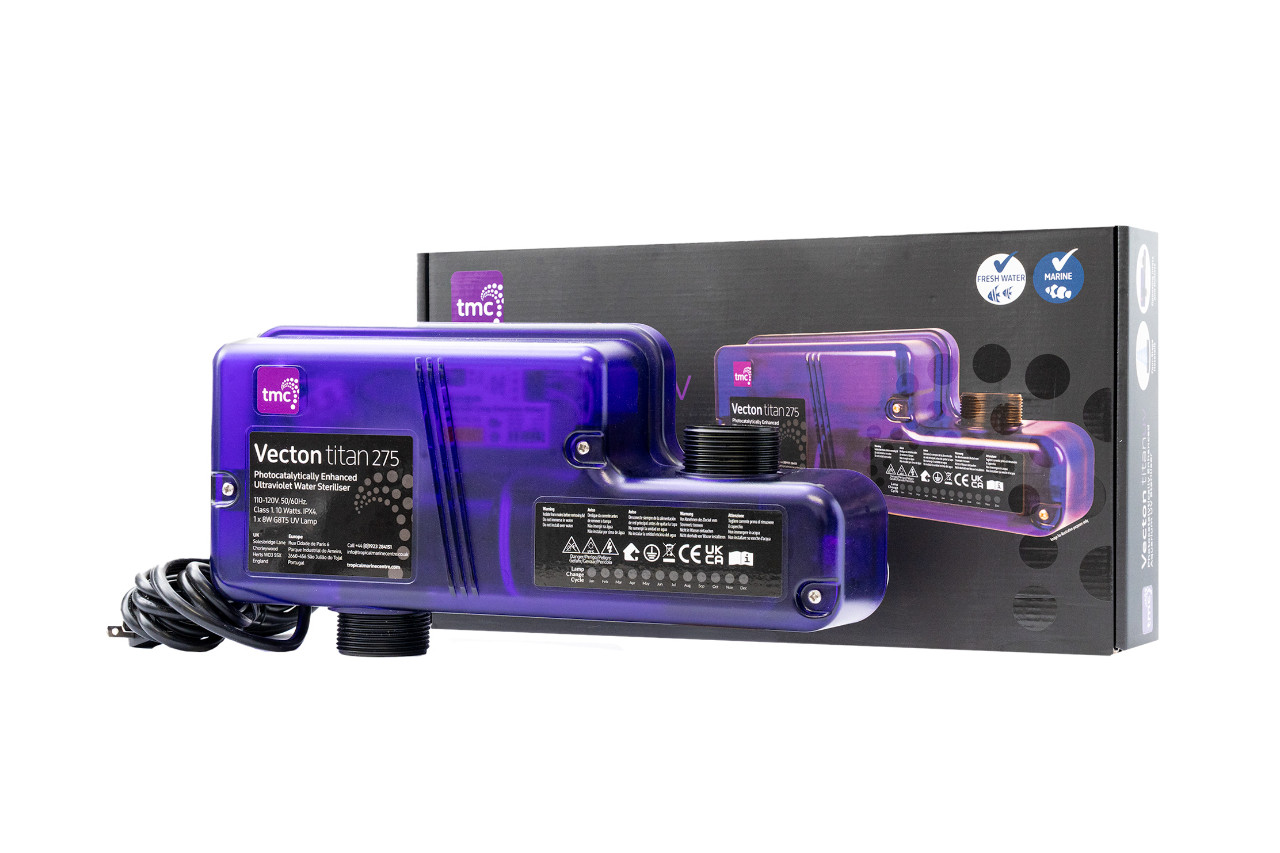
Your aquarium system is never going to be devoid of algae, and if it was, nothing else would be happy in there either. We want algae, but we want to control how much and (to some extent) what kinds. Mostly when we talk about algae growth in marine tanks we're talking about hair algae, long hockey hair tufts just mad flowing in the current. If you're looking at a cloudy tank, it's usually a newer tank, as this is a common start up stage. Whatever stage your tank is in, we frequently recommend a UV Sterilizer, we run them here (in addition to other sterilization and a massive bespoke filtration system). They are not only incredibly useful in keeping your aquarium sparkling clean, but they also are really effective at preventing pathogen spread (meaning you have much better odds of keeping all your fish healthy if one of them gets sick). UV sterilizers have an article of their own, but they work by damaging microorganisms (like the green soup algae that is making your tank cloudy) and this allows those organisms to bind together, making them large enough to be removed by your system's mechanical filtration.
Most of you, however, are here to hear about hair algae. The first step in managing a hair algae problem is physically removing most of it (actually, the first step was prevention, but it's too late for that now). Get in there and do some scrubbing. Vacuum out all the algae you break loose. This is going to function for the good in a couple ways. You're removing a ton of nutrients by pulling all those algae out. The algae used up nitrogen and phosphorus to grow, and that stuff is still in the algae as it gets removed. Second, this is going to function as a large water change, and this is an important step as well.
Why are water changes so important? The easy answer is that you remove some water that is high in nutrients and add back in water that is low in nutrients, diluting (and thus lowering) the total nitrate and phosphorus in the system. There is more to this, however, a marine aquarium is a closed system. There is nothing in there replenishing the buffers and salts that get used up through normal biological processes. These buffers and minerals need to be replenished to maintain stability (like pH). It turns out that algae are really good an instability and another way to fight it is to have conditions that are good enough for other things like corals, plants and desirable macro-algae. Do your water changes, and do them regularly, the more often the better, but a weekly schedule is fine for most systems. Shoot for 10% a week or so for lightly stocked tanks and go up as needed.
Next let's delve into prevention. We need to get your system back into balance where the nutrients levels are either being used up or exported (water changes). This starts with monitoring your feeding. Food is the absolute number one importer of nutrients into the system and getting it right can be the most challenging part of keeping a marine aquarium. There is no one-size-fits-all feeding regimen. Very active small fish like Anthias need multiple meals a day. A large moray eel might need feeding once or twice a week. The best way to judge if you're feeding correctly is to watch your fish. Are they fat and / or ignoring opportunities to eat? You're feeding too much. Is their belly sunken? You're feeding not enough. If your fish are actually thin, feeding has been chronically too low, or your feeding them something they don't digest well. Watch your fish and adjust how much you feed to find a sweet spot.
Balance this feeding with consistent nutrient testing. We highly recommend the Tropic Marin Professional series tests for Nitrite / Nitrate and Phosphate. The one kit will test both fresh and saltwater, they're trustable, easy to use and read. Whenever you add fish to your system, or make changes, always ramp up your testing. You should pretty much always see a slight uptick in nitrates when you initially add new fish, but if your biological filter and maintenance regimen are keeping up, this uptick should dissipate in a few days. If it doesn't, you'll need to increase your water changes or delve into our next topic.
Filter Media! It isn't magic, but it can work like it. There are good, specific media for using in a variety of filter types that can target both nitrate and phosphorus. Like Tropic Marin's Elimi-Phos or their Bacto-Pellets for fluidized bed reactors (another article all together).The point is, if you have a heavily stocked aquarium that is very stable and functional in all other ways, and you're keeping up with the maintenance but still have algae / nutrient issues, you might want to look into some of the other filtration options.
Lastly, everyone's first reaction when they have more algae than they can deal with is to add algae eaters and it's pretty amazing to see what a bunch of snails and hermits can do to an algae problem. Add in an urchin and maybe a tang and that algae will disappear. Once the algae are gone however, you're going to have a snail and hermit crab die off, and that makes a nutrient spike and then we start all over. We're not saying you shouldn't have algae eaters. You 100% should, and you should replace them regularly as they perish of natural causes (most species of snail don't live more than a couple years – less in the wild). Be smart when you stock clean-up crew and do so sustainably. It'll take longer for them to get the house cleaned up, but it won't cause problems later.
One thing we do recommend stocking up on is beneficial live algae and bacteria. Dosing your system regularly with Nutramar's Live Algae can really help balance out an aquarium and help out compete bad algae. All the different products and blends will work well, but the Rhodo is especially good for binding up nutrients before they can be used by slower growing, less useful algae (like hair). You can also utilize adding some intentional macro-algae like Chaeto in a refugium or just a lighted portion of your sump. The Chaeto will take up some nutrients, and it can be trimmed back over time, allowing you another way to export those nutrients from the system. Using Dr. Tim's Waste Away can really be beneficial as well as it will help digest hidden waste products in the aquarium, leaving behind cleaner water, higher oxygenation levels and lower phosphate and nitrate levels (and yes, it works).
Lastly, there is only so much light that an aquarium needs. Even reef tanks will usually be very healthy with six to eight hours of light a day (sometimes less). If your aquarium is in a window where it gets direct sunlight, or your lights are on for 12 hours a day, it will be difficult to keep the undesirable algae at bay. Find the balance that suits your aquarium inhabitants but doesn't give free reign to the algae monster.
Algae isn't bad. The nutrients that supply it aren't bad either. In fact, a healthy reef system needs some nitrate and some phosphate (in a natural ratio) in order to support good coral growth. The problem occurs when the levels are out of balance, and system is unstable and the light is uncontrolled. Just keep up the maintenance, stock your aquarium reasonably (including clean-up crews), feed your fish responsibly, and watch your daylight length to ensure a healthy aquarium that has a nice natural look to it. Like everything aquarium related, patience is rewarded. Find the balance. Happy aquarium keeping!