Fishy Food Pyramid
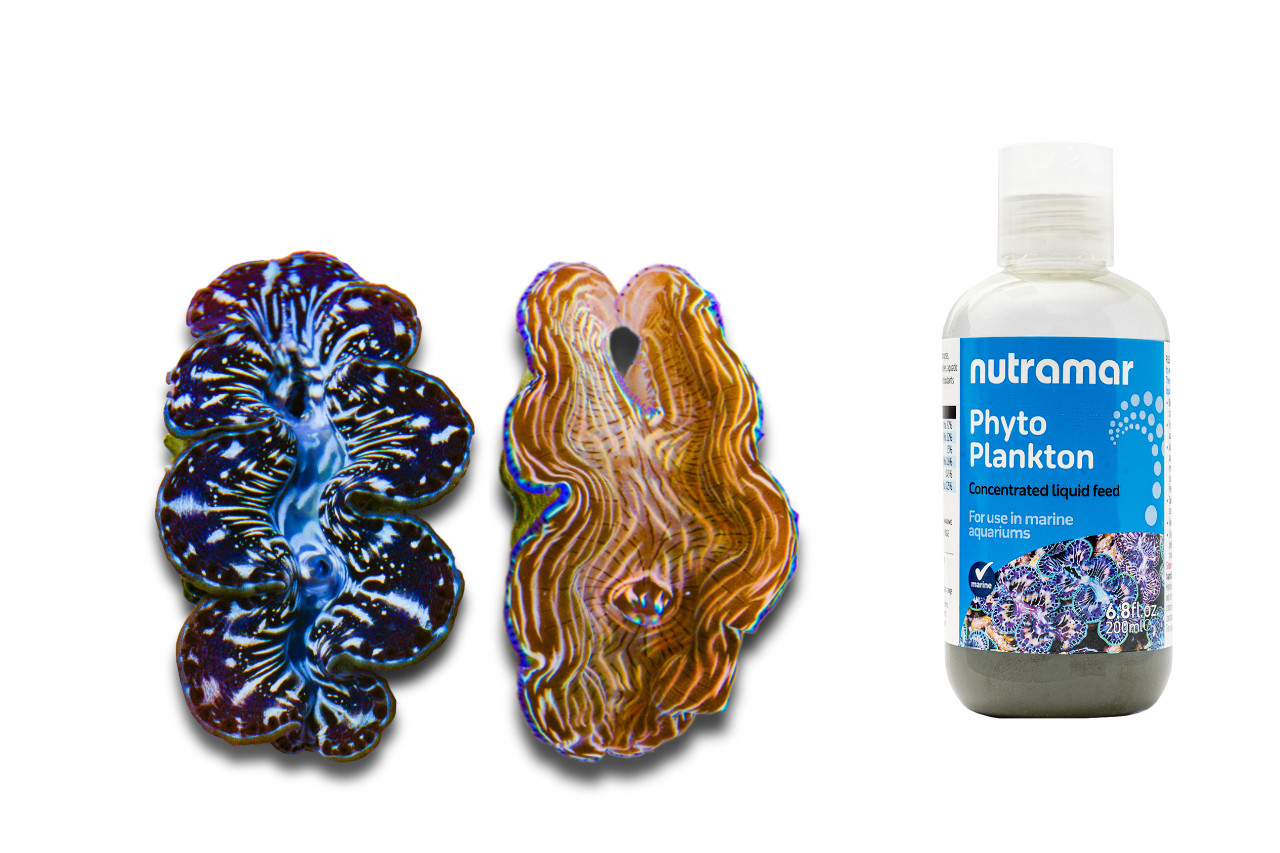
Here we go again, another addition to the Nutramar Liquid Feed lineup that we've used in our own systems here at Quality Marine long before it ever hit a shelf. This time we're talking phytoplankton, and if you've read more than a few articles here, you already know why that matters. Phytoplankton is the foundation of pretty much every marine food web on the planet, and it's just as important as a food foundation in your tank, whether you keep a thriving reef, a seahorse setup, or a system built around filter feeders that most people wouldn't even think to keep. This is not a flashy food. Tangs don't chase down a cloud of phytoplankton the way they wolf down some nori. But it is one of the most important things you can put in your water column, and it's the kind of product that quietly makes everything else in your tank work better.
Nutramar Liquid Feed – Phytoplankton is a concentrated blend of microalgae species, selected specifically for size, nutritional density, and digestibility rather than just being whatever was easiest to culture in bulk. You're getting a mix of species in the low micron range, small enough to be taken up by everything from corals and clams to copepods, rotifers, sponges, and tunicates. Unlike our copepod liquid feed, which is built around attracting and feeding things that take a bite, this is built around things that filter and absorb continuously. It's a completely different feeding strategy, and one that a lot of aquarists underfeed simply because you don't really see it happening.
Where this product shines are in reef systems with inverts like non-photosynthetic corals, gorgonians, sponges, etc and any tank running a refugium or pod culture that you're trying to keep fed and productive. If you're raising copepods or rotifers for larval fish or seahorse fry, phytoplankton is not optional, it's the entire base of that culture, and using a high-quality liquid feed instead of maintaining your own algae culture saves you a huge amount of hassle without sacrificing quality. Clams, both giant clams and smaller bivalves, will also take this up directly, as will your feather dusters, crinoid stars and other filter feeding inverts that don't get nearly enough attention in most feeding regimens. Basically, if you have anything in your tank that doesn't have a mouth built for biting, there's a good chance it's hungry for exactly this. Now, if you want a live culture, we can help with that too (see our articles on live phytoplankton!)
As far as dosing goes, this is way easier than pie; shake the bottle well before every use, (every suspension will settle after all) because you want an even distribution when you dose. For general reef tank dosing, start with about one to two milliliters per 25 gallons of aquarium water per day, delivered into a high flow area or return so it disperses through the system rather than settling in one spot. If you're running a refugium or a dedicated pod culture vessel, you can dose more heavily directly into that vessel, since the goal there is to build and sustain a population rather than feed the display directly. As always, start conservatively if your tank is new, lightly stocked, or already running other Nutramar Liquid Feeds, since you don't want to stack multiple liquid feeds to the point that you're pushing more organic load into the system than your skimmer and biological filtration can handle. If you're using this alongside the copepod liquid feed or other Nutramar liquid products, keep your combined dosing in mind (under 3ml / 25 gallons / day).
This is a refrigerated product from the moment you open it, and even before opening, you'll want to keep it cool and out of direct light to preserve viability. Once opened and refrigerated, you're looking at a shelf life of a few months, though realistically most people running a daily dosing regimen on decent sized tanks will burn through a bottle well before that becomes a concern. As with the rest of the Nutramar liquid line, sizing your bottle to your system matters. Smaller tanks and lighter dosing schedules do fine with the smaller bottle, but if you're running a larger display or feeding a dedicated refugium heavily, it's worth stepping up to the bigger size so you're not constantly reordering.
We always recommend treating phytoplankton dosing as one piece of a broader feeding strategy rather than a standalone fix. Pair it with Nutramar's copepod liquid feed for anything that needs both the phyto and the pods it feeds on, round things out with Pellets, Shots, or Crumbles for your fish, and don't neglect Dried and Live Algae for your herbivores and grazers. This is genuinely the same approach we take on our own systems here (plus a big whack of Gamma Frozen), both in the facility and in our homes, and it's not because we're trying to sell you the whole line; it's because a diverse, layered approach is what keeps a tank healthy long term. Phytoplankton is the piece of that puzzle that's easiest to forget about because you can't watch it happen the way you can watch a fish eat a pellet, but the animals relying on it will absolutely show the difference over time; whether that's better polyp extension, faster, more colorful coral growth, a thriving pod population, or clams that hold their color and grow the way they're supposed to.
If you've been running a reef, a refugium, or a pod culture without a dedicated phytoplankton feed, this is worth adding to your rotation. It's an easy addition to an existing feeding schedule, it doesn't require any special equipment beyond a bit of fridge space, and it fills a nutritional gap that's easy to overlook. Head to your local fish store and ask about Nutramar Liquid Feed – Phytoplankton, and if they don't have it in yet, let them know Quality Marine sent you and they'll know where to get it.