Damselfish-assisted repair of wounded corals surprises scientists
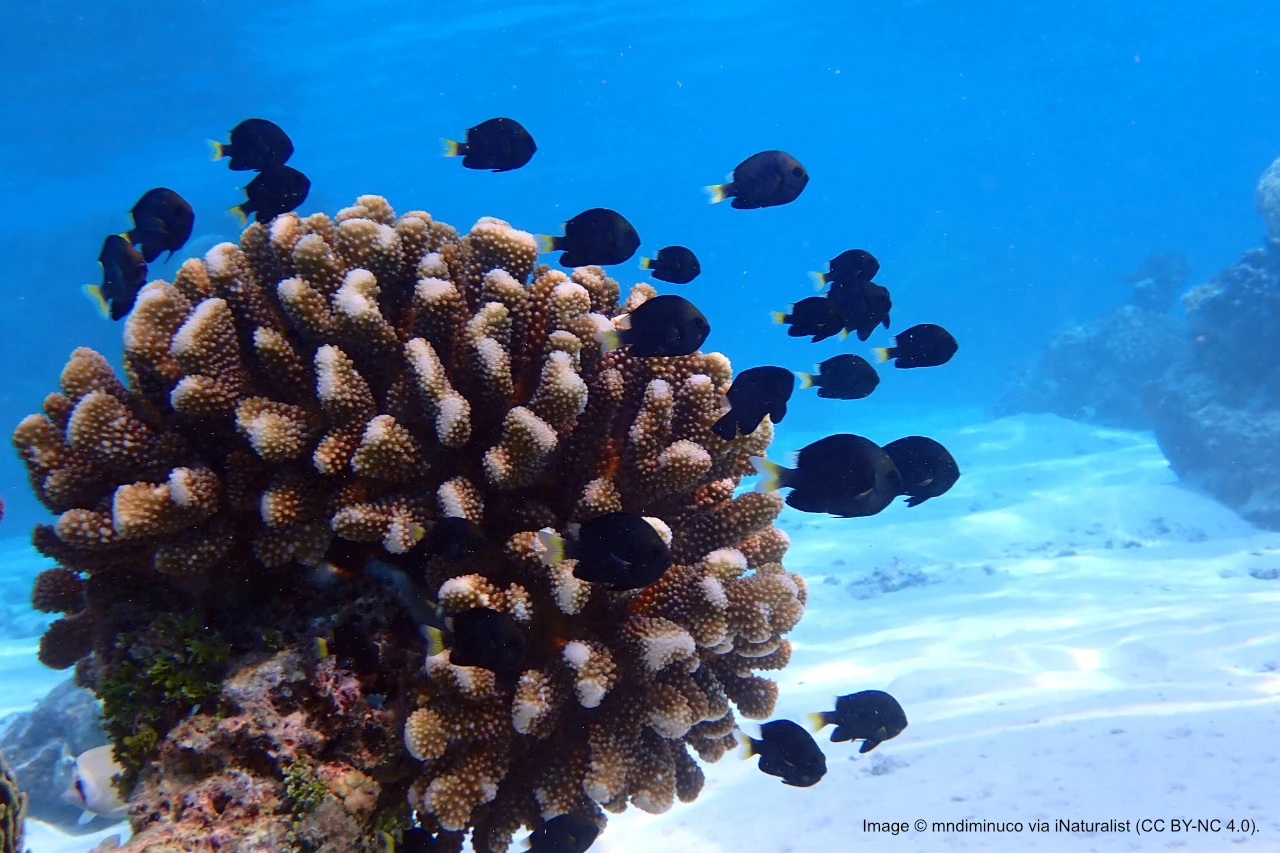
A new study published in Biology Letters on July 8 found that yellowtail dascyllus (Dascyllus flavicaudus), a species of damselfish, can help corals heal from physical injuries faster. Researchers discovered that Pocillopora corals with small wounds healed 38% faster when fish were present, while corals with larger wounds healed 55% faster. The study also found that damselfish helped maintain the photosynthetic efficiency of the symbiotic algae living within coral tissue, which provides essential energy for coral growth and repair. These findings suggest that the relationship between corals and their resident fish may be more beneficial than previously understood.
To investigate this relationship, researchers collected 72 corals in Mo’orea, French Polynesia, and monitored their recovery over 21 days, comparing wounded and unwounded corals kept with or without damselfish. Although the fish’s exact role in healing remains uncertain, scientists suggest several possibilities: fish waste may supply nutrients such as nitrogen and phosphorus to the coral’s symbiotic algae, fish movement may improve water circulation and oxygen delivery, or the fish may help clean wounds. Faster healing is particularly important because coral injuries caused by pollution, predation, coastal development, tourism, and fishing activities can leave corals vulnerable to disease and overgrowth by competing algae. Further research is needed to determine which mechanisms are responsible for the improved recovery.
These findings could have important implications for coral reef conservation, especially as rising ocean temperatures and acidification increase stress on coral ecosystems. Scientists suggest that protecting coral-associated fish and their habitats may be just as important as protecting corals themselves. However, damselfish face pressure from the aquarium trade, with many collected from the wild, sometimes using destructive practices such as poisoning and dynamite fishing. Expanding captive breeding and strengthening protections for wild populations could help reduce these impacts. Ultimately, the study highlights how relationships between species can strengthen reef resilience and suggests that conservation strategies should protect the interconnected communities that support coral health. To learn more, head to Shradha Triveni’s article Damselfish-assisted repair of wounded corals surprises scientists