Spring Cleaning - Marine Aquarium Style
In most of North America, spring has sprung. While here in California, it jumped out at us quite a while ago, in much of the northern reaches and higher altitudes of the US, it could still snow! Still, the rain and warmer weather have much of the country thinking about spring cleaning, and perhaps your fishtank cleanup crew could use a bolstering too! While a sparkling clean fish tank is as satisfying as anything else in the hobby, keeping it looking that way takes teamwork. On the aquarist's end, we've got to keep up the maintenance; regular water changes, dosing Nutramar Phyto TC, cleaning and filter maintenance can never be neglected. Inside the fish tank, you have some potential allies in the arena of cleaning.
Aquariums will have a few different kinds of messes, and so you're best off having more than one type of cleaner. Snails are usually the starting place, and honestly, offer probably the biggest bang for the buck. Most of them are fairly specific about what they eat. If you're trying to clean up some hair algae splotches, Trochus and Turbo Snails are going to be prime choices. Cerith Snails have no equal when it comes to cleaning the detritus out of the hard-to-reach bits of your rockwork, though Bumblebee Snails are a strong second place, and definitely have the edge in the looks department. Nerite and Astrea Snails are both good diatom consumers if you have problems that way, and the Nerites are also good multitaskers. Nassarius Snails (Nassarius sp.) have incredible appetites for detritus and uneaten food but need enough sand to burrow down into. They have the added benefit of doing a nice job of overturning and oxygenating that substrate. All these snails are very reef safe, though there are some reports out there of Periscope Snails damaging sand bed corals; keep that in mind. Lastly, most snails don't live more than a year or two and so replacement of this population is an annual task, though as a tank becomes more seasoned, you'll still need snails, but you’ll find that you can decrease the number of them in the restock.
On the topic of sand bed cleaners, Sandsifting Sea Stars (Astropecten sp.) are a great choice for substrate maintenance, especially in larger displays. Others like the Red Marble star will eat just about anything they find on the hard surfaces of the aquarium like detritus, algae, uneaten food etc, they are low risk with corals. Most Brittle Stars are also reef safe, super useful scavengers as they fit into spaces where a lot of other stars couldn't. They're great at getting under and in between rocks and cleaning those spaces out. They can also trap detritus with a mucus web between the spines on their legs. Most of the Fromia genus sea stars are reef safe and are good consumers of detritus and algae. They will happily eat sponges as well. All Sea Stars will suffer if they get picked on, so avoid housing them with fishlike Puffers, most Triggers and Tuskfish etc. Linckia stars are exceptionally susceptible to this type of damage. Most Stars will need some supplemental feeding, and do well with food like the Nutramar Algae and Color Boost Shots, but you'll have to feed at night and to put it fairly close to the Starfish's mouth to make sure they get any of the food before they get out-competed by the fish and maybe even the shrimp. Lastly, there are lots of gorgeous Sea Stars available to the home aquarist. Many of them are not reef safe, and some have very specific husbandry requirements, so be sure you ask questions at your LFS before adding a new Star to your aquarium.
Hermit crabs are great scavengers for pretty much all the stuff you don't want in your tank: fish poo, leftover food, algae, heck, some of them even like Cyanobacteria. The catch is that hermit crabs will hunt down and eat snails that have the right size shell for the crab to move into, especially small ones like Ceriths. If you keep hermits, make sure your tank has plenty of shells in a variety of sizes for them to move into, which will help keep snail predation to a minimum. Hermits are possibly Pufferfish’s favorite brunch item. Some Triggers, Tusks and even a few of the larger, toothy Wrasses will eat them too.
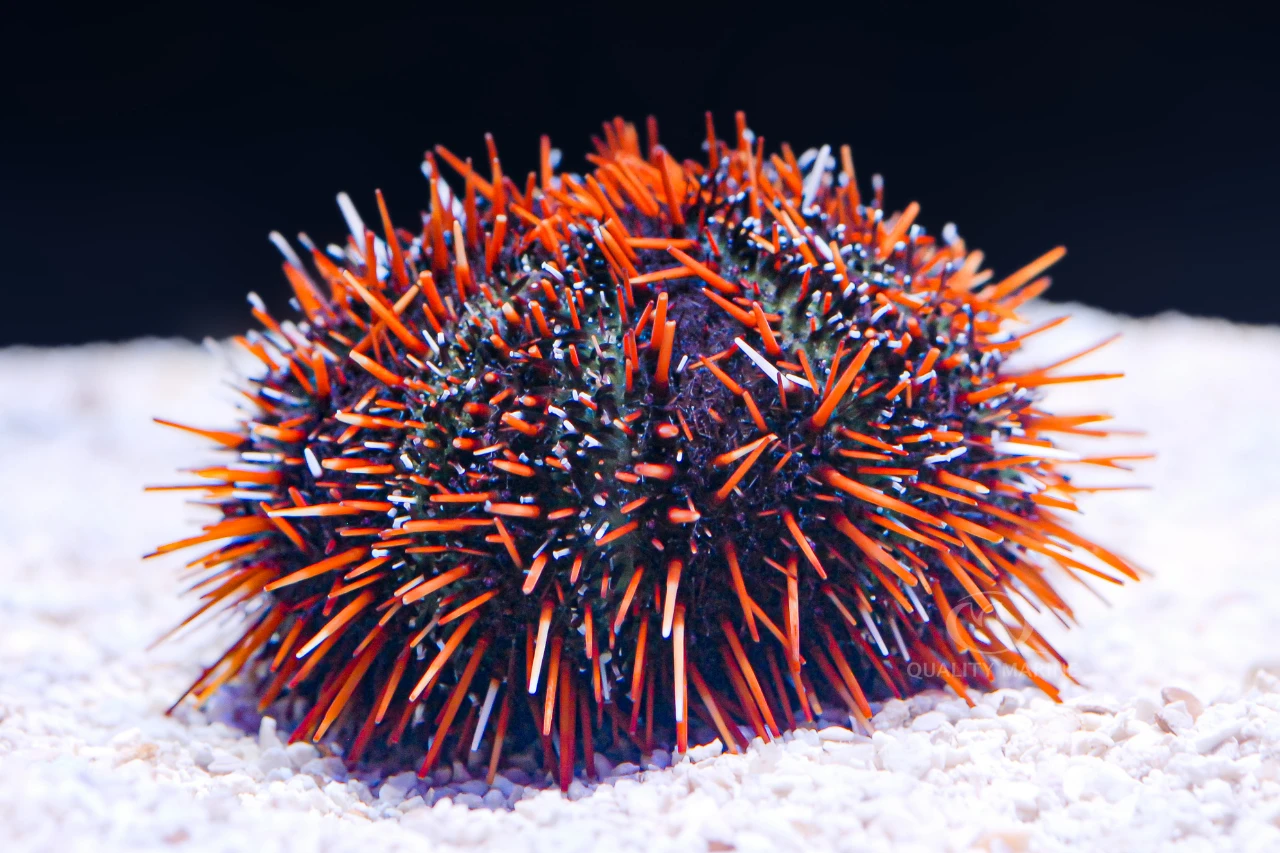
Sea Urchins are super cool critters, and the aquarium equivalent of the canary in the coal mine. They are susceptible to fluctuations in water quality, temperature and especially elevated nutrients; if they start dropping needles, something is wrong. Outside of this, they're also excellent cleaners of many things, though those things are often quite specific. Where Needle and Pencil Urchins really shine is at cleaning up uneaten food and fish waste, making them good choices for rock heavy and bare bottom tanks. Both critters will need supplemental food and will happily consume small chunks of thawed meaty food from Gamma like Chopped Prawn and Chopped Mussel. Just make sure the lights are off, and the current is low, so the food doesn't get stolen or washed away before the Urchin gets a chance to eat it. The ballroom gala ready Blue Tuxedo Urchins require a good amount of Coralline Algae to live, making them (also) really good candidates for bare bottom tanks and aquariums with a ton of rockwork. Make sure there is plenty of Coralline Algae already in the tank before you add one, they will clear a path across rocks and display bottoms allowing new, fresh colors to grow. Longspine and Shortspine Urchins are the better choices for hair algae control and while both of these animals are outstanding at lawn mowing, they're going to run out of stuff to eat at some point and you're going to have to feed them. Nutramar Ogo and Nori can both be used as supplemental foods as well as the Nutramar Algae and Color Boost Shots.
Emerald Crabs are probably our favorite clean up crab for the marine home aquarium. They aren't always green; some are brown and even red happens. They're among the few things in an aquarium that will consume Bubble Algae (though this is individual, most of them will consume Bubble Algae with Gusto, and some won't.) Emeralds will also eat other types of algae as well as leftover food and fish waste. They're very useful. They're many other crabs that are suitable for home aquariums, but many of them aren't reef safe, so be sure to ask your LFS about what you're buying and if it's a good fit.
This is certainly not an exhaustive list of all the allies you could enlist for your war on grime in your fish tanks, but it is a good start. We haven't touched on Nudibranchs or Shrimp or even the multitude of useful fish that could help you out, and that's probably another article. While you'll see aquariums with less or more scavengers in them, you'll rarely see one that doesn't have any and that's because it's just more work not to have them. So have a look in your tank during this week's water change and take a count of your cleaners before you head to your LFS for the spring re-stock! Tell them Quality Marine sent you.