Bennett’s Anthias - Tosanoides bennetti: A Jewel of the Deep for Marine Enthusiasts

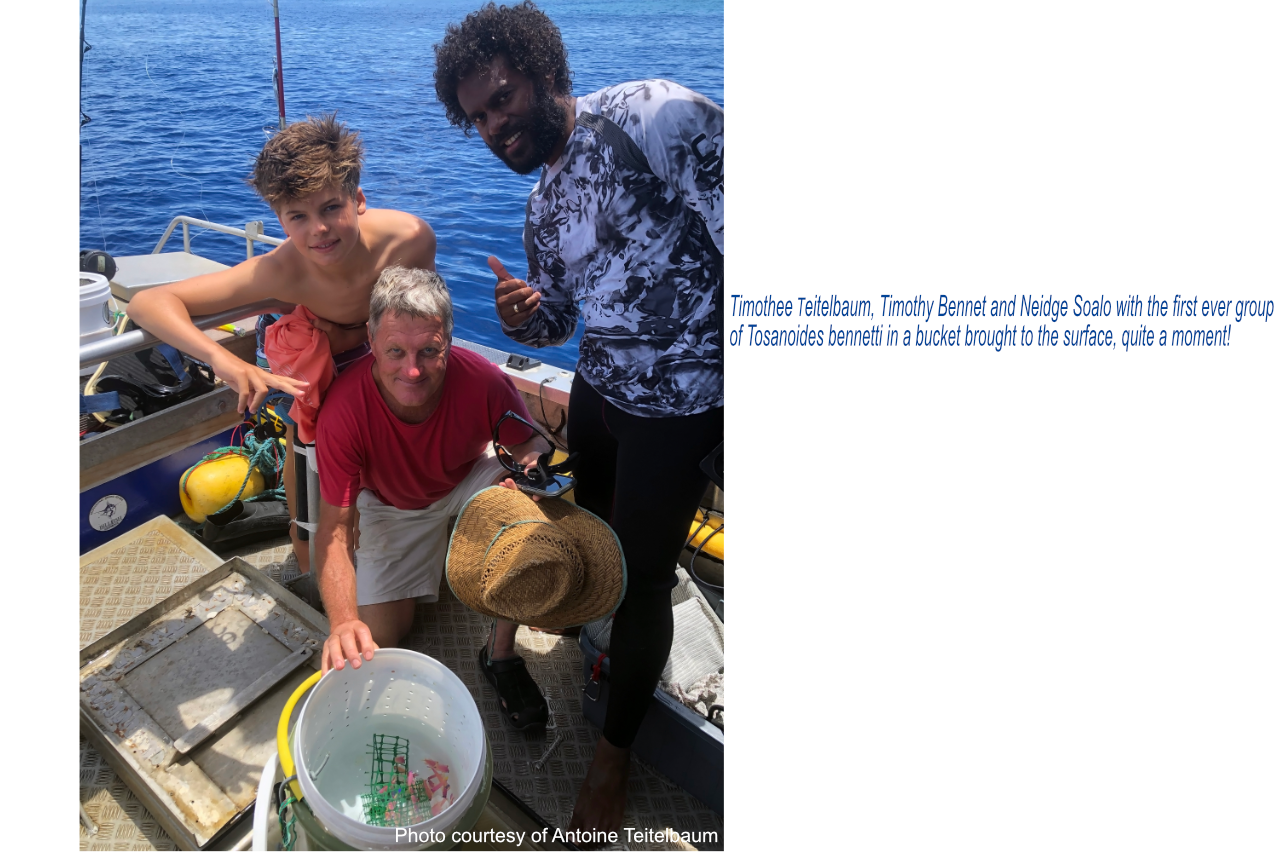
Australian diver Tim Bennett, alongside Antoine Teitelbaum and the teams at Aquarium Fish Nouvelle-Calédonie and Quality Marine, has once again journeyed into the twilight zone off the coast of New Caledonia. Exploring the mesophotic zone at 328 feet (100 meters) deep, using a rebreather, Tim ventured far beyond the limits of standard scuba diving to collect a truly fascinating species: the stunning Bennett’s Anthias (Tosanoides bennetti). Thanks to their efforts, this incredible fish is now available exclusively through Quality Marine in the United States.
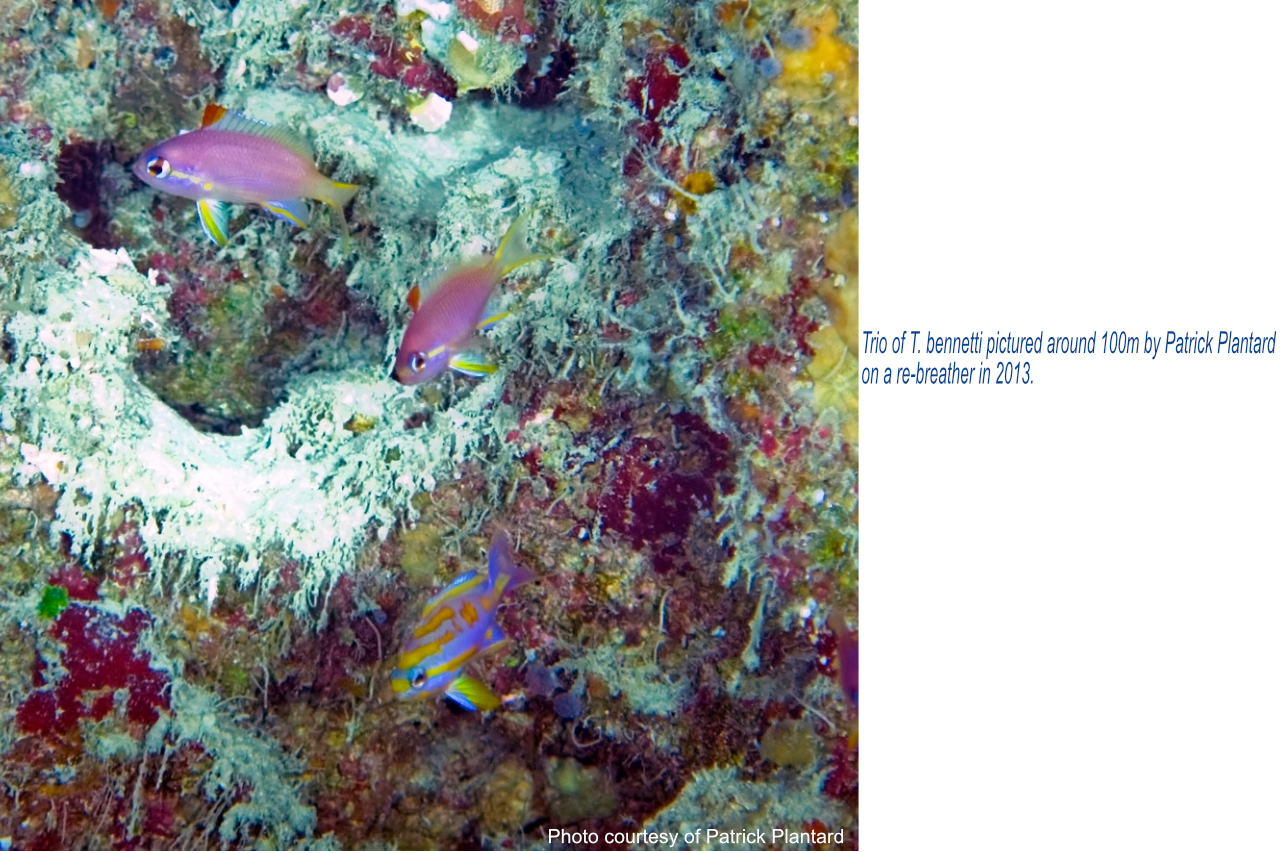
Tosanoides bennetti is a breathtaking addition to the Anthiinae sub-family of reef fishes, within the family Serranidae, commonly known as Anthias. This fish was first spotted in New Caledonia by deep water diver Patrick Plantard and his friends in 2013 but could not be collected. It was then successfully collected by Tim Bennett in the Coral Sea, and formally described in 2019 by Gerry Allen and Fenton Walsh, found in the mesophotic reefs of the Coral Sea, about 137 miles (220 km) east of Cairns Australia. This species is only known from New Caledonia and the Coral Sea.
The holotype fish utilized to describe this new species was collected at depths of 140 to 152 meters, part of the ocean’s "twilight zone," where light is scarce, and conditions are challenging. Thriving in rocky habitats with coralline sediments, silt layers, and crevices for shelter, Bennett’s Anthias is inaccessible to recreational divers, adding to its allure and rarity.
According to Antoine Teitelbaum, groups of these fish were spotted in an area on the outer barrier reef south of New Caledonia during Tim Bennett’s first trip in May 2025. However, they were not collected due to the challenges of decompressing the fish. All but one specimen—a small female—were sent to Nouméa’s public aquarium, Aquarium des Lagons, in New Caledonia. The lone female now resides in their mesophotic display and has since transitioned into a healthy, thriving male, exhibiting terminal markings and coloration.
In November 2025, the plan was to focus on the collection of Tosanoides bennetti with five days of diving around a specific spot nicknamed "The Dome." The Dome is a massive bommie (an isolated submerged reef formation) separated from the main reef. It offers safe anchoring in 10 feet (6 meters) of water, while the back of the boat hangs over a dramatic drop into 328 feet (100 meters) of deep water. Two successful dives were made to locate and collect a small number of T. bennetti, which required a total of six days to gently decompress, by slowly bringing them safely to the surface.
Antoine went onto explain, while making this species available in the marine ornamentals trade is a world first, experiencing seven consecutive days of flat, calm weather with no wind or swell in November in New Caledonia was equally unprecedented. The team joked that the stars must have been aligned!
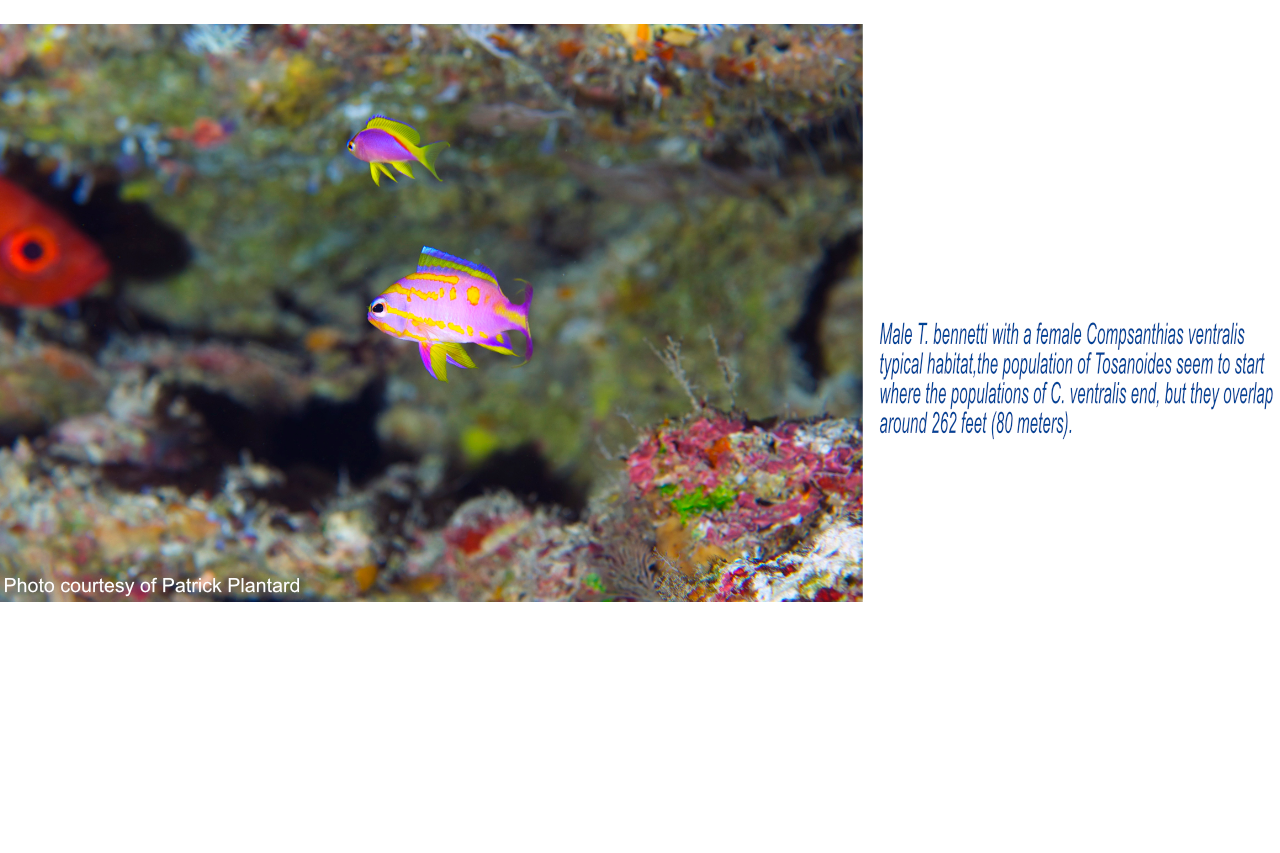
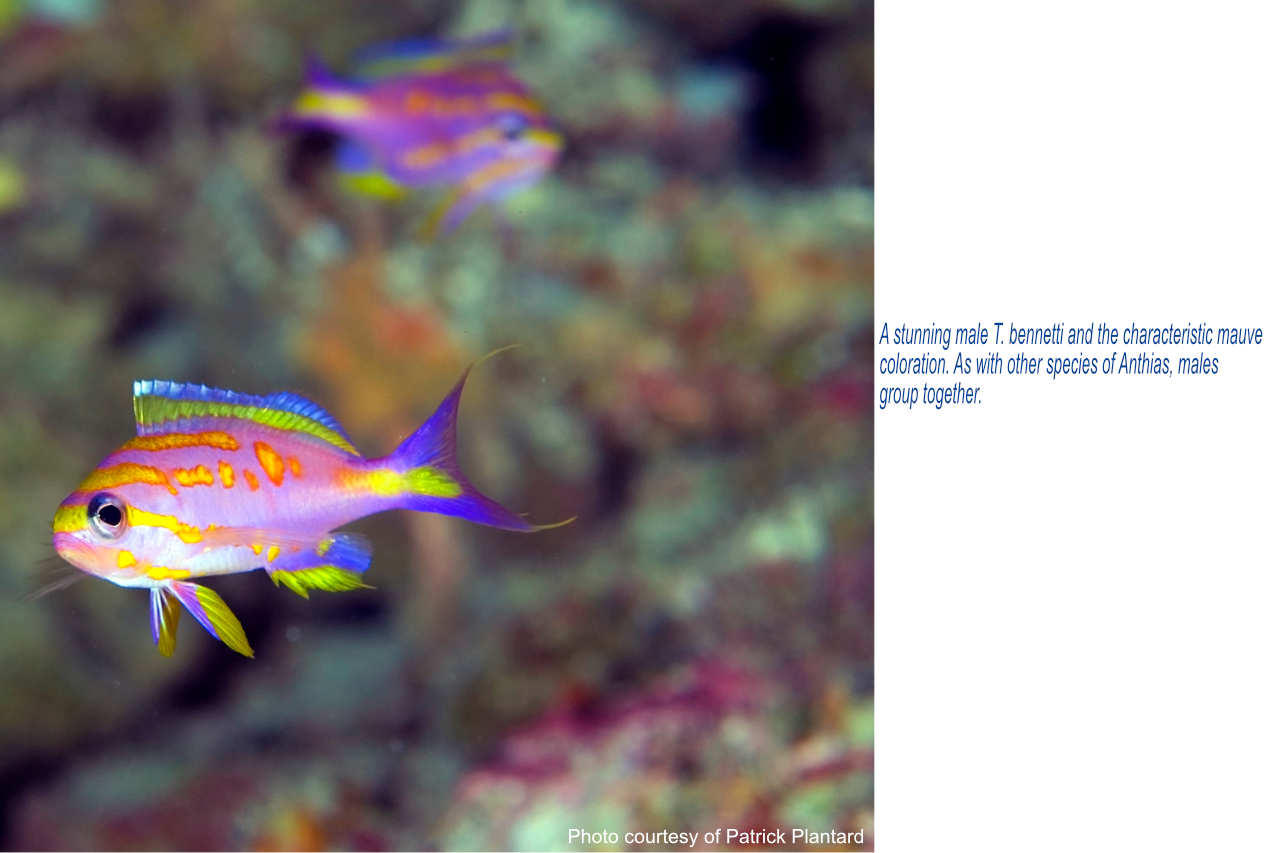
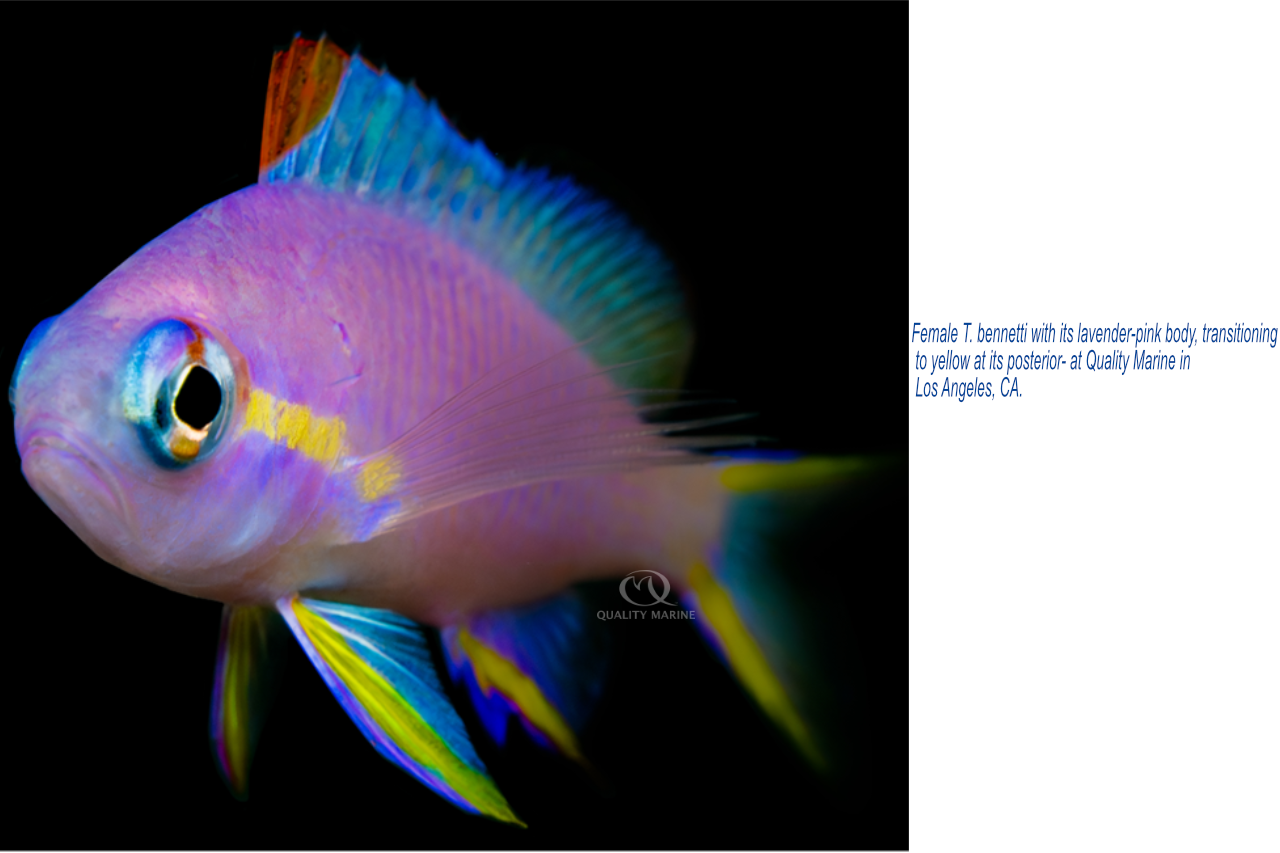
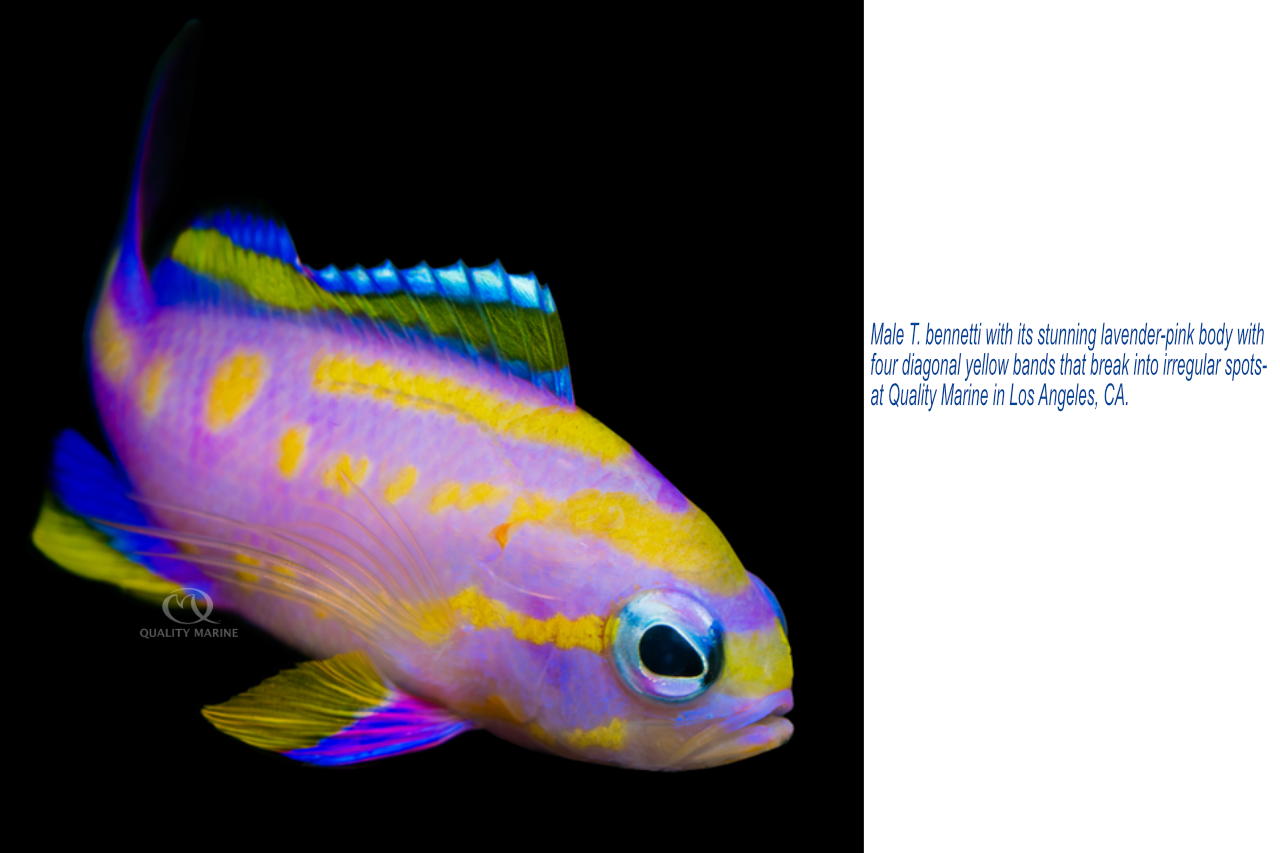
What truly sets Bennett’s Anthias apart is its vibrant coloration and striking sexual dimorphism. Males showcase a stunning lavender-pink body with four diagonal yellow bands that break into irregular spots, ending in a bright yellow mark on the lower lobe of the caudal fin. Their dorsal and anal fins are accented with bold yellow, while filamentous caudal-fin lobes add a touch of elegance. Females are equally captivating with lavender-pink bodies transitioning to yellow at the rear, a yellow bar across the anal-fin spines, and a yellowish-brown blotch on the dorsal fin. These vivid colors not only make the species visually stunning but also play a role in mate selection and species recognition.
Despite their small size—reaching just 2” (5 cm) standard length—Bennett’s Anthias commands attention in any setting. In the wild, they form harems with one dominant male and several females, a social structure that should ideally be replicated in captivity. Their natural diet consists of planktonic organisms, which can be mimicked in aquariums with high-quality frozen or live foods like frozen GAMMA mysis shrimp, GAMMA Brine Shrimp Plus Omega-3, and GAMMA Red Plankton. Because of their deepwater origins, these fish require specific care from experienced marine aquarists, including dim lighting initially, to replicate their natural habitat, moderate water flow, and a well-structured tank with plenty of caves and crevices for shelter. Maintaining stable water parameters—such as a temperature range of 70-74°F (21-23°C) and a salinity of 33 ppt (specific gravity of 1.025)—is essential for their health and well-being.
For retailers, public aquariums, and dedicated aquarium enthusiasts, acquiring Bennett’s Anthias is a rare opportunity. This species is available exclusively through Quality Marine in the United States, a company renowned for its commitment to sustainable and ethical sourcing. Every specimen is responsibly collected, ensuring minimal impact on wild populations and their habitats. The exclusivity of this species reflects the challenges of collecting and transporting deepwater fish like Bennett’s Anthias, which require specialized equipment and expertise. Its rarity in the aquarium trade, combined with the high standards maintained by Quality Marine, makes it a prized addition for experienced aquarists willing to invest in its care.
Beyond its appeal to marine hobbyists, Bennett’s Anthias holds significant scientific value. Its discovery has expanded our understanding of mesophotic reef ecosystems, which remain far less studied than shallower reefs. The species was named in honor of Timothy Bennett, a deepwater marine aquarium fish collector who captured the holotype specimen used to formally describe it. Bennett also collected this current batch of Anthias, exported via Quality Marine’s New Caledonian Short Supply Chain export station. This provenance highlights the critical role of targeted, responsible collection in uncovering and sharing the wonders of the deep sea.
Bennett’s Anthias is truly a gem of the twilight zone, offering both a visual spectacle and a rewarding challenge for dedicated aquarists. Its vibrant colors, fascinating behaviors, and rarity make it a coveted species, while its discovery emphasizes the importance of exploring and conserving mesophotic reef habitats. For those willing to meet its care requirements, Tosanoides bennetti promises to be a dazzling centerpiece in any marine aquarium. Thanks to the efforts of Tim Bennett, Antoine Teitelbaum, and the teams at Aquarium Fish Nouvelle-Calédonie and Quality Marine, U.S. aquarists now have the opportunity to enjoy this remarkable species while supporting sustainable practices.