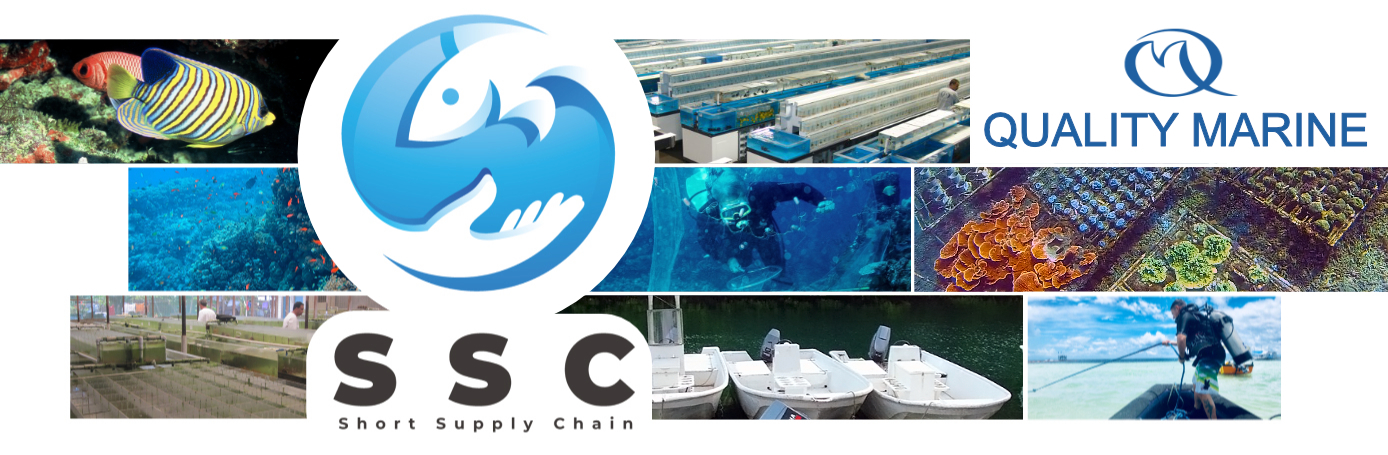
Short Supply Chains (SSC)
The collection, export, and distribution of aquatic marine organisms is a complex and delicate process. From the moment a fisherman catches a fish or collects an invertebrate, the chain of custody begins. Around the globe, individual fishers and collector groups operate under diverse models, each with unique challenges and opportunities.
Global Collection Practices
Fishers and collectors vary widely in their methods and roles:
- Independent Professionals: Non-native professional fishers often work independently, managing the collection, holding, and export of their own catch.
- Indigenous Professionals: Some indigenous or native individuals have become professional tropical fishers, working directly for exporters. Their work depends on weather conditions and market demand.
- Coastal Villagers: Many native coastal communities, including men, women, and children, sell their catch directly to exporters.
- Middlemen Networks: In some cases, fishers in remote outposts or coastal villages sell their catch to middlemen, who then market the products further up the distribution chain.
Despite these variations, the majority of desirable species are collected by indigenous communities and passed through multiple hands before reaching international markets. This process often involves long transit times and variability in the quality of the organisms.
Challenges in the Supply Chain
Over the past 40 years, the ornamental marine trade has experienced steady growth in both supply and demand. However, this growth has brought significant challenges:
- Rising Costs: Increases in collection, transport, and holding costs—such as fuel and airfreight—have squeezed margins for all participants.
- Market Pressures: Competitive pricing has led to reduced market prices, further straining profitability.
- Animal Welfare: Extended transit times and cost pressures often result in compromised care and husbandry for the animals.
- Overharvesting: Shrinking margins have incentivized the collection of larger quantities of animals, increasing pressure on marine resources and encouraging irresponsible harvesting practices.
The Case for Short Supply Chains
Shorter supply chains (SSC) offer a sustainable solution to these challenges. By reducing the time and distance from collection to export, SSCs provide several key benefits:
- Improved Animal Welfare: Shorter transit times minimize stress on animals, improve survivability and reduce mortality rates.
- Sustainability: Fewer middlemen and shorter transport distances reduce the environmental impact and pressure on marine habitats.
- Consistency and Control: Direct sourcing from collector groups ensures better handling practices and eliminates inconsistent care.
At Quality Marine, we prioritize sourcing from sustainably managed collection sites and work directly with collector groups whenever possible. This approach ensures that animals reach the point of export within 24 hours of collection, significantly reducing transit times and improving outcomes.
Benefits of Short Supply Chains
By employing SSC practices, the ornamental marine trade can achieve:
- Reduced Transit Times: Transport durations are cut from weeks to just hours or days.
- Enhanced Animal Care: Consistent handling practices improve survivability.
- Lower Environmental Impact: Shorter supply chains decrease the strain on marine ecosystems.
Shorter supply chains eliminate inconsistent levels of care, increase survivability, and decrease pressure on marine habitats.
...reduce transit times to a matter of hours or days, rather than weeks.