How a soft coral moves its tentacles in perfect synchronization without a brain
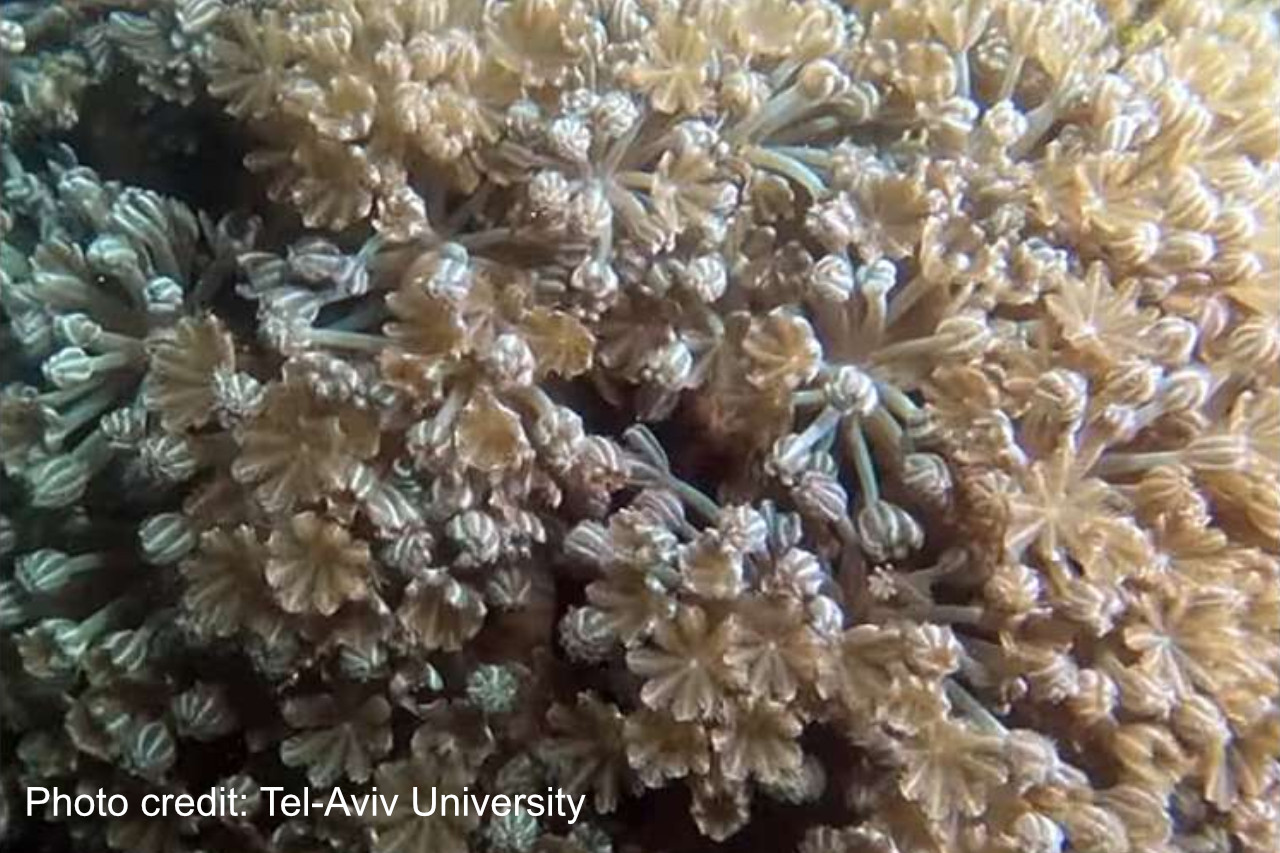
A joint study by Tel Aviv University and the University of Haifa investigated how the soft coral Xenia umbellata produces its rhythmic tentacle pulsing despite lacking a central nervous system. Led by Ph.D. student Elinor Nadir and published in Proceedings of the National Academy of Sciences, the research challenges traditional ideas of how coordinated movement is generated in animals.
The researchers discovered that Xenia umbellata relies on a decentralized neural pacemaker system, in which neurons distributed along each tentacle independently drive movement while remaining synchronized with one another. Through cutting and regeneration experiments, the team found that even isolated tentacle fragments could continue pulsing on their own. Genetic analyses revealed that the coral uses familiar neural signaling components—such as acetylcholine receptors and ion channels—also found in more complex animals.
These findings suggest that rhythmic biological movements, like breathing or heartbeat, evolved far earlier than previously believed and do not require a centralized brain. As Prof. Yehuda Benayahu noted, the same molecular mechanisms regulating the human heart appear in corals that evolved hundreds of millions of years ago. The study offers rare insight into the early evolution of nervous systems and highlights the remarkable complexity of coral reef organisms, reinforcing the importance of conserving these fragile ecosystems. To learn more, head to Gaby Clark’s article on Phys Org How a soft coral moves its tentacles in perfect synchronization without a brain