Anemones Anonymous II
Last week we started talking about the generalities of Anemone care. We talked some specifics about Condys, LTAs and Bubbles, and this week, we'll conclude this aquatic Ted-Type with Anemones that are better suited for established tanks, and experienced keepers.
First on the list is Heteractis, or Sebae Anemones. This is a gorgeous animal and all the species in this genus are usually some shades of yellow, white or blue. There are two different species of Sebae Anemone that you'll commonly see in the aquariums, and a third that is less common. They will all need aquariums that are biologically and chemically stable. Heteractis Crispa tends to have a tan to brown stalk that you'll never see, as it will bury this into a crevice or hole into your rockwork and never let go. The tentacles will usually be pale gold, blue or purple, often with darker colored tips. They are very food-dependent and will need a good meal at least twice a week. They also need moderately intense light and moderate, consistent, and turbulent flow. Once acclimated and eating, they're actually quite hardy, but acclimating them needs to be done slowly and carefully. Once they're in your aquarium you should keep a close eye on everything for the first couple of days while they get comfy. They'll host nearly any Clownfish, but natural pairings include Clarkiis, Cinnamons, Saddlebacks and Pink Skunks.
Heteractis malu is the other commonly seen Sebae Anemone and is often called a Malu anemone. They are usually some variations of yellow or purple. It has pretty much identical care requirements but is more sensitive. They'll usually stick to the bottom of the tank, preferring to set their foot through sand or rubble. Very few clowns will host in this anemone, and the only natural pairing is with Clarkiis (which looks awesome especially with the more yellow nems.) This particular Anemone also has a tendency to wander in the tank, and so is most suitable as the only invertebrate to keep it from stinging and fighting with your corals or clams.
Beaded Sea Mat Anemones (Heteractis aurora) is likely the least seen Sebae but might be the easiest of the lot. That being said, this is still a nem for at least intermediate level hobbyists with stable systems. Their intricately beaded and lined tentacles are beautiful and unique. They need a deep sandbed (three or four inches) because they'll prefer to be stuck to the bottom of the tank with their stalk supported by sand. When startled, they will pull fully down into this sand and hide. They can host a bunch of different clowns like Clarkiss, Allardis, Tomatoes, Blue Stripes, Akindynos among others.
This leads us to the object of your initial desire, Carpet anemones (Stichlodactyla sp.). These large anemones are some of nature's most beautiful and strongest. They like very stable conditions, bright lights, strong (but indirect) flow and lots of food. They come in a huge variety of colors, the most common being brilliant metallic green or luxurious brown, but they also occur in white, bright red, deep purple and even gold. Contrary to common “knowledge,” white Carpets can be totally healthy, but are generally hungrier than their counterparts, needing food every other day or so, depending on the size of meal and size of Anemone. They are natural hosts for Clarkiis. (See a theme here? Clarkiis will use just about anything as a host). They'll also host Blue Stripe Clowns, Barrier Reef Clowns and even Domino Damsels in the wild (a really cool, and highly underrated display). In the home aquarium they are also beloved by Percula and Ocellaris clowns. These Anemones all have a strong sting and can / will eat fish that swim into them. As a result, it is risky to have them in aquariums that are home to skittish fish like Fairy Wrasses, Firefish, etc. Most of them will prefer a sandbed home, at the base of the rockwork, but Stichlodactyla mertensii will prefer a home atop the rocks with their base buried in a crevice. They can usually be told apart from others by the lack of tentacles around the mouth and the lack of “stickiness” when you brush them. They are a bit more sensitive than the other carpets. All carpets can get a foot or two in diameter, but S. mertensii can get up to three feet across. They are best kept as only inverts in a tank as their sting is strong. If you want to have them in a mixed reef setting, let the anemone find its home first, and then give it some room to grow before placing other corals and clams around it.
Favorite anemones around here vary, but every single person who works at QM will tell you that the Magnificent Anemone is at least on their list. They are nothing short of breathtakingly beautiful. They were once lumped in with the Heteractis / Sebae group but now are known by the scientific name Radiantus magnifica. They're also commonly called Ritteri Anemones, Magnifica and Purple Base Anemones. This last name comes from their underside which is usually some shade of royal purple. The top side can be blue, green, brown, red, white, even magenta and they can have contrasting color tentacles that might be green, yellow, brown or white! They can get three feet across and like to live on the crest of the rockwork with their foot buried in a deep crevasse. These are almost certainly the hardest anemones to keep and should always be planned as an only invert in the tank. They will be intolerant of chemical competition and being stung by other inverts. They are sensitive to changes in water chemistry (especially pH, Alk, SG), temperature and build ups of nutrients. They need bright light and regular meals. They prefer a strong, turbulent current that is generally up-welling in the display. Their sheer size makes them excellent homes for large family groups of Clownfish, and they're natural hosts for more than a dozen species of Clowns and are commonly accepted as homes by pretty much any Clownfish that is looking for a home. That same sheer size makes them very sensitive to being removed from water, so always transfer them fully submerged (which is honestly good advice for all anemones). If you've reached a point where you feel comfortable calling yourself an expert aquarist (and others regularly refer to you as such) and you have a large, biologically stable and exceptionally clean tank, you could be ready for the pinnacle of Anemones.
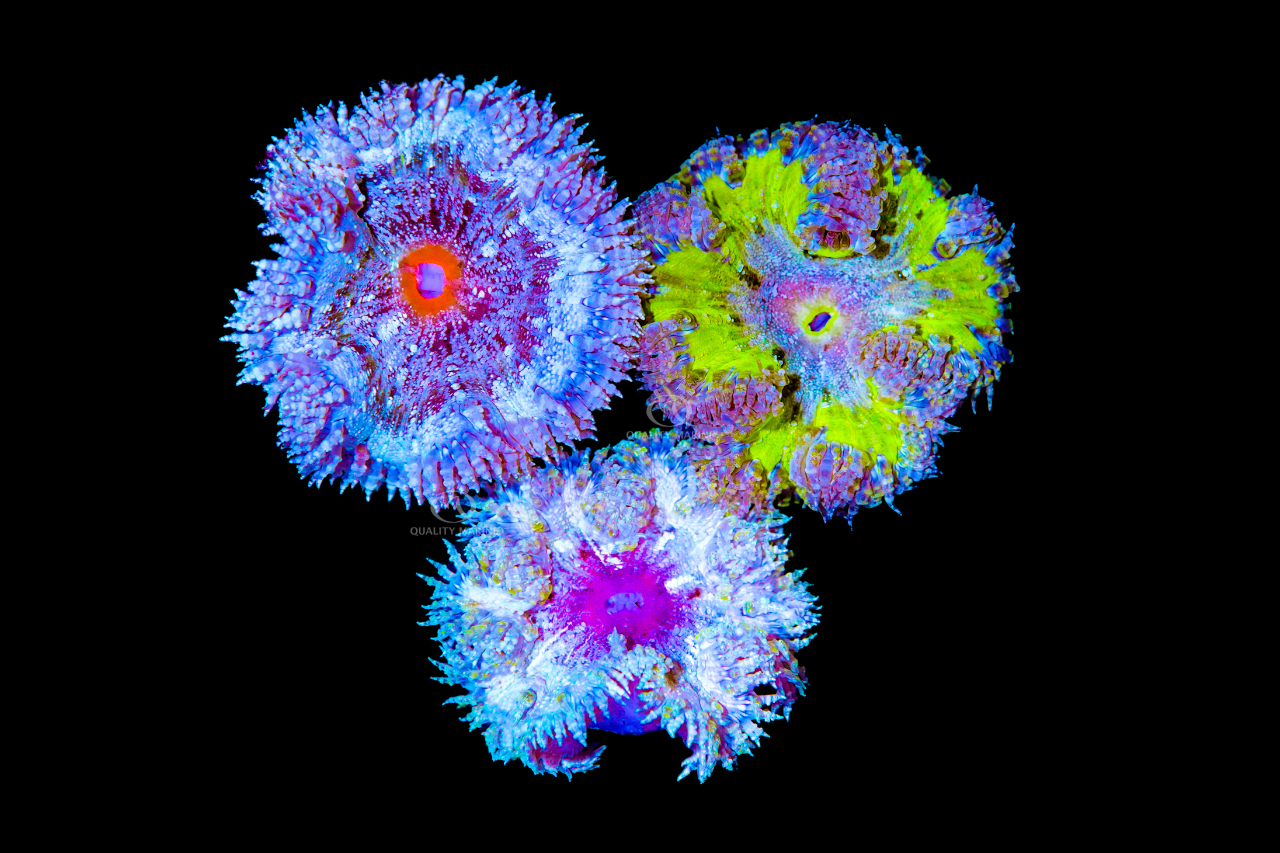
So, there you have it. There's more nems we'll cover sometime in the future, like Beadlets, Rock Flowers, Tubes and even Hellflowers, but these are all in another category of specialty stuff that is another article all together. So maybe you and your aquarium are both ready for your heart's desire and that metallic green Carpet in your LFS has your name on it (might as well get the Clowns too!) Even if you aren't quite up to Carpets yet, there's a stunning LTA or Bubble in there too that will also make for an outright amazing display. Whatever your ability level is, there's an Anemone out there for you. Just head to your LFS and start asking questions. Tell them Quality Marine sent you.