Subtlety Sweet - Swampy Blue Eyes
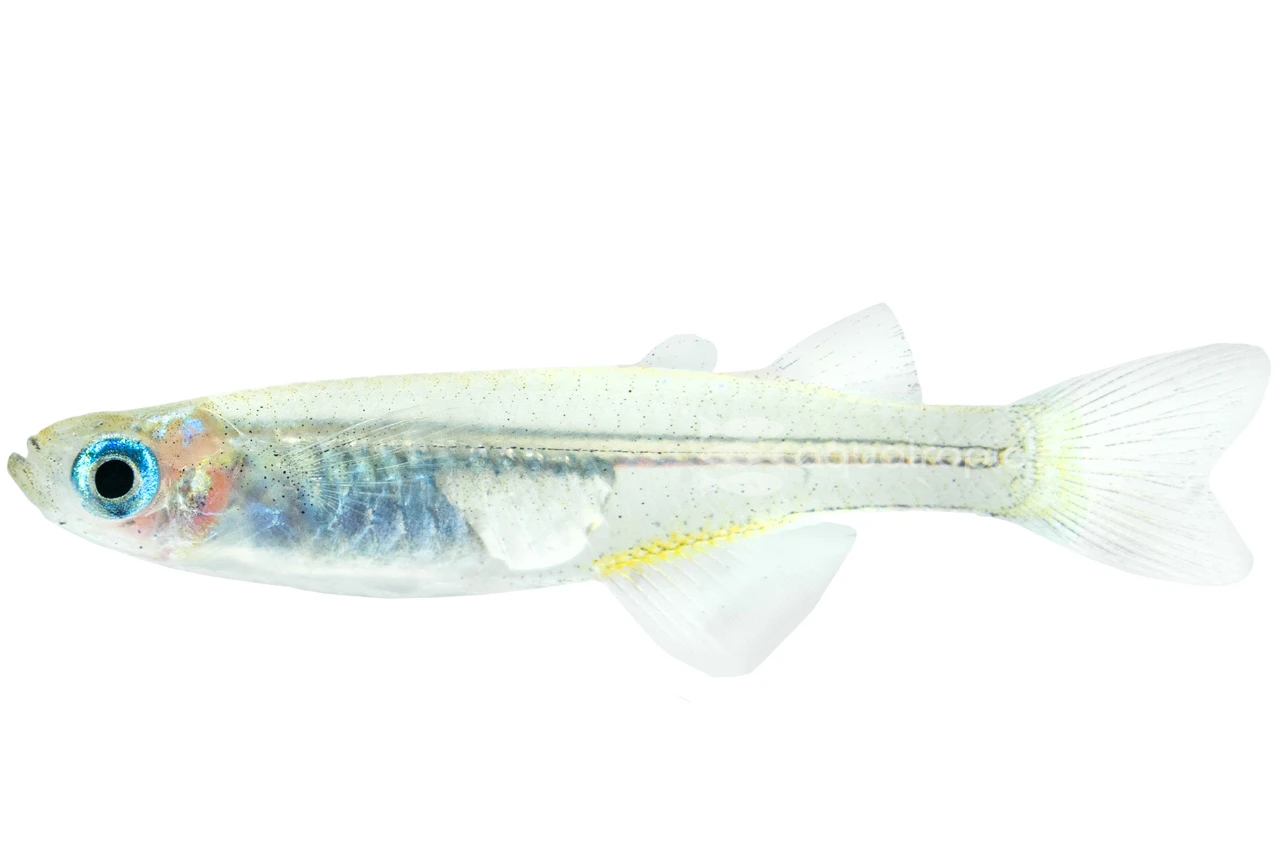
Some fish announce themselves with size and swagger. Pseudomugil paludicola, the Swamp Blue-eye, does not. It tops out at around about an inch and a quarter, maybe a half. It spends its days in the shadows of a swampy New Guinean creek and wears its color in quiet touches of blue and yellow across the fins and around the eyes. We think it's one of the most rewarding nano fish a freshwater hobbyist can keep and we've kept more than a few...
This is a fish from the swamplands of southwestern Papua New Guinea, specifically the lower Binaturi, Pahoturi, and Morehead river systems, and possibly as far west as the Vogelkop Peninsula in Irian Jaya. Imagine a tidal creek, surrounded by mangroves, with fallen trees and roots everywhere, a fine sandy, or even muddy, bottom, and very little sunlight reaching the water. That shaded, root-tangled picture is the best guide to how to build a tank for them. Males tend to be the more colorful sex, with larger, more elongated dorsal and anal fins, and they put on their best show when looking for love.
These fish stay quite small and thus the aquarium doesn't need to be dramatically sized. Ten gallons is a comfortable size for a small group; a few could even be kept in a desktop nano. We'd happily start there, but remember that Blue-eyes are schooling, social fish, and they look and behave better in numbers, so we'd lean toward the larger end of "small" if you want to keep a proper group rather than a handful. Footprint matters more than height, since these fish spend their time exploring the roots and décor at mid-level and below.
Water chemistry isn't difficult. You'll want pH between 7.0 to 8.0 and hardness up to 20 dH. There are other Pseudomugil species that do well in brackish environments and Swamp Blue Eyes are often found in the wild in estuaries, though aren't generally seen on the salty side of this equation. In the aquarium, that means no to low salt setup. Temperature is one place where these fish can tolerate a little more than other tropical fish, in that they are commonly kept in temps all the way into the low 80s, and rarely cooler than 75ish; good range is 75 to 84 and keep it stable. Small tanks can quickly, so a reliable heater, an accurate thermometer, and temperature-controlled water changes are all musts.
Swamp Blue Eyes lend themselves to very cool displays, so have some fun with this. They'll love lots of driftwood, or roots of suitable living plants as well as just fully planted tanks. They'll love a fine sand or mud base. They like a shady environment, so make sure you incorporate some floating plants or overhangs to break up direct light. Gentle filtration, soft water movement, and plenty of cover will have these fish relaxed and showing their best colors. Or you could go with a dark substrate and a few leaves to make the whole scene feel a little more like a swamp creek.
When it comes to tankmates, think small and peaceful. Swamp Blue-eyes are gentle schooling fish, so things like small gobies, more Swamp Blue Eyes (and other Pseduomugil species) and fish that like different portions of the tank like bottom or top dwelling species. Obviously keeping them with their own genus makes a lot of sense, since they share similar size, temperament, and water needs. Avoid anything large, boisterous, or quick to outcompete these little fish at feeding time, or worse, turn them into feeding time!
On the topic of feeding, think small. In nature this fish eats mostly tiny invertebrates, but also some algae (perhaps in the guts of the inverts), so small, high-quality foods offered in modest amounts will keep them healthy and their fins sharp. In house we feed them twice a day with a mix of Nutramar Freshwater Complete Crumbles, and a blend of varying Gamma foods like all the Brine Plus products, Daphnia, Cylcops, even White Mosquito Larvae and Tubifex.
We love fish that reward patience, and the Swamp Blue-eye is exactly that. Give them a shaded, root-tangled corner of the hobby, keep the water clean and fresh, and let a group of them do what they do best, which is quietly steal the show. Ask your LFS about getting you a group of Pseudomugil paludicola from Aquatropic Today!