Red Stiphodons Rule!
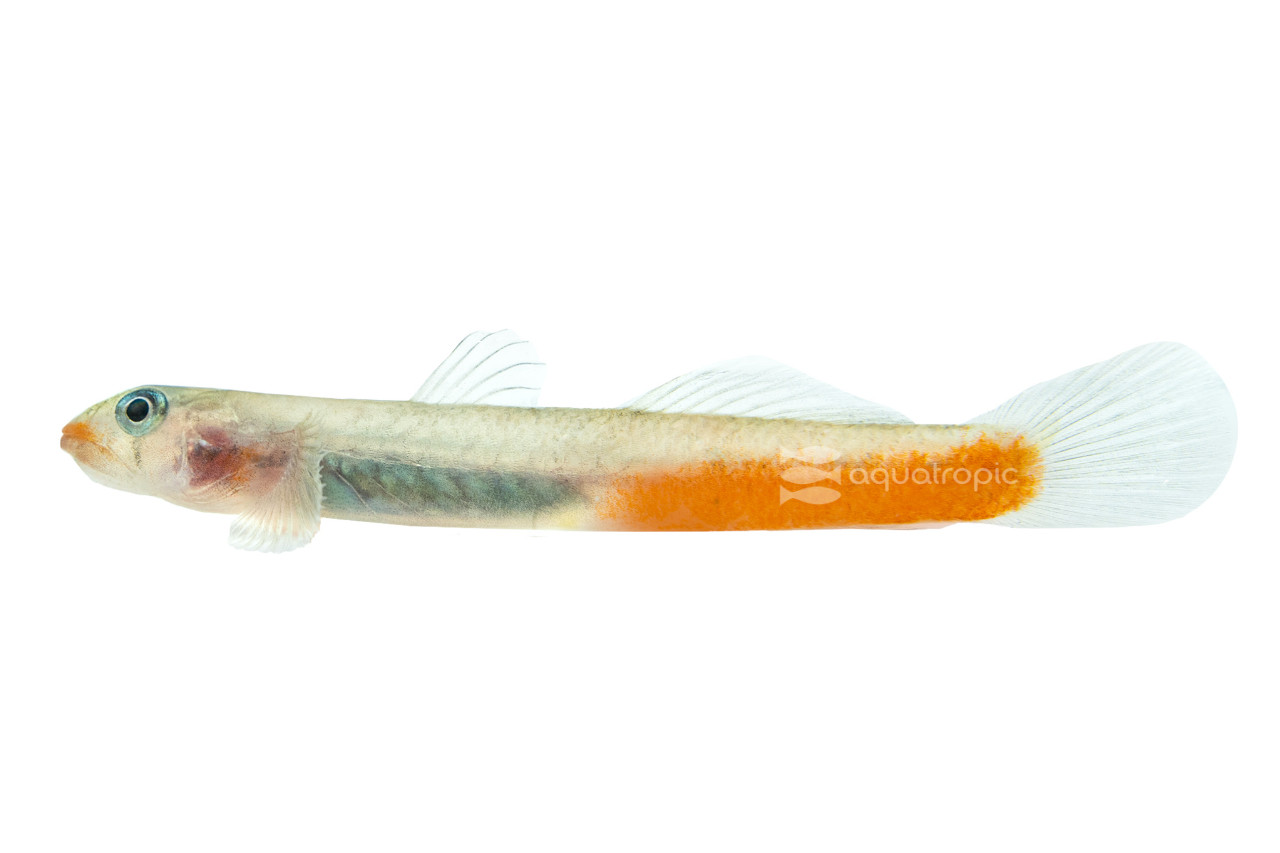
Look, the list of fish that are favorites around here is fantastically long. What can we say, we're all fish geeks. With that said, a very common entry on that list is Stiphodon Gobies for their coloration, size, and interesting activity. The Red Stiphodon Goby (Stiphodon sp.) is especially beautiful, with a pale body and reddish orange lipstick that matches the lower portion of the rear half of the fish. They have the same glint of neon blue as their eyes that is common among many of the Stiphodon species.
Perhaps universally, Stiphodon Gobies come from clean, fast and somewhat cool tropical streams. These are usually very well oxygenated, which is something that is important for keeping these fish happy and healthy. Keep this in mind when you’re working on your display. Red Stiphodon Gobies are tiny fish, almost never getting longer than a single inch, but they are very active. We suggest you keep a group of them in a 20-gallon aquarium or more. Ideally, the focus of this display would be on footprint. They'll be much happier in 20 spread out gallons than 20 tall ones. Flow should also be high, (which will help the oxygenation), the entire volume of the aquarium should pass through filtration (and or other flow creation devices like powerheads) at least 10 times per hour and 20 would be better. These tanks should be covered as these fish in this genus can actually climb glass and will. This is a skill that comes in useful going over the slick rocks and small waterfalls in the streams they inhabit.
Decor wise, Hillstream or river style displays look great and these fish are natural fits for them. Choose smooth stones and gravel that feel smooth & appear to be river worn as well as clean, well-seasoned driftwood. These kinds of displays are best with laminar current (one direction) but make sure to give your fish some rocks that break up the flow for them to hide behind. They could be kept in moderate flow aquariums with plants, but you should think about forcing extra oxygen in there with air pumps and stones. Avoid leaf litter and other décor that could stain the water as you want maximum light penetration to grow plenty of biofilm and algae for your fish's food.
Bright lighting is the way here; Red Stiphodon Gobies' diet is composed mostly of biofilm, algae and other aufwuchs (today's weird aquarium word of the day) that grows well in these conditions. So, crank that light up and leave it on longer than you might usually. The fish eat what grows there and if you have enough of it, they could live on only this. In house, we find that the Gobies do better, are more active and show better colors if we supplement this diet with Nutramar Freshwater Algae and Color Boost Shots that we stick to the rocks and glass. The Gobies will graze on it and get a boost of protein and a wide spectrum of nutrients that may or may not be lacking in your aquarium's natural algae. You could also supplement with small, thawed items like Gamma Brine Plus Spirulina, Rotifers, Cyclops, Daphnia, even Tubifex. These foods should be fed sparingly to avoid intestinal problems. If your fish eat through your aquarium's algae too fast, you may need to grow some. Many aquarists will “farm” algae in another display. This just means adding rocks to something water-filled that is often left in the sun specifically to grow a nice thin film of algae. Do regular water changes in this vessel and then swap rocks back and forth between your aquarium and the algae farm to keep a healthy supply of natural food coming for your Red Stiphodon Gobies.
These are tiny fish, so you don't want to keep them with anything that could eat them, and that list is long. You should always keep five or more Stiphodon Gobies together, and the more the merrier if you have lots of space. A mix of females and males will give you the most interesting interactions. Other fish that like similar displays are things like White Clouds, Hillstream Loaches, Neon Green Rasboras and Small Danios. In a more moderate flow situation, the Red Stiphodons could also be kept with Shrimp, though shrimp offspring are likely to be consumed at a high rate. Don't keep too many other algae eaters that will compete with your Gobies for food or make sure you're importing plenty of aufwuchs. (you googled it right?)
Stiphodons are very difficult to breed. The streams they live in always drain to an ocean and early stages of the fish are washed out into the saltwater and grow there until they return to their streams as juveniles to live out their lives and reproduce. This creates many variables that are difficult to reproduce in captivity. In addition, the fry are VERY small, and nutritious food sources for fish that small are difficult to manage in their own right. Some Stiphodon Gobies are being successfully commercially aquacultured, but tank bred and raised Reds are only infrequently seen. For the extremely advanced aquarists among you, an excellent challenge awaits you in attempting this feat!
Perhaps in part because of this diverse life history, Red Stiphodon Gobies are not excessively picky about water chemistry. They'll be fine in a pH between 6 and 8, and a wide variety of hardness levels unless they are extreme. Temperature wise, they prefer to be kept somewhat cooler than the warmest tropical fish, which also helps dissolved oxygen levels stay high. We recommend somewhere between 68 and 76, though they could be both cooler and warmer for short periods. Many aquarists keep these fish without ever utilizing heaters. What they do like is very clean water. Keep your nitrates under 25ppm and nitrite / ammonia should never be detectable. Strong filtration, very light feeding, and large and consistent water changes are the pathway to success here.
Red Stiphodon Gobies are super cool, tiny little fish that have won over all of us, and we hope you give them a chance too (if you have or are planning an appropriate display). In the right environment, these are easy, active and interesting fish to keep, and you can keep large numbers of them in even fairly small displays. Head to your LFS and start executing that Hillstream display you've been thinking about. You're going to want a dozen Red Stiphodons from Aquatropic, so start there!