Peculiar Pond Piscines
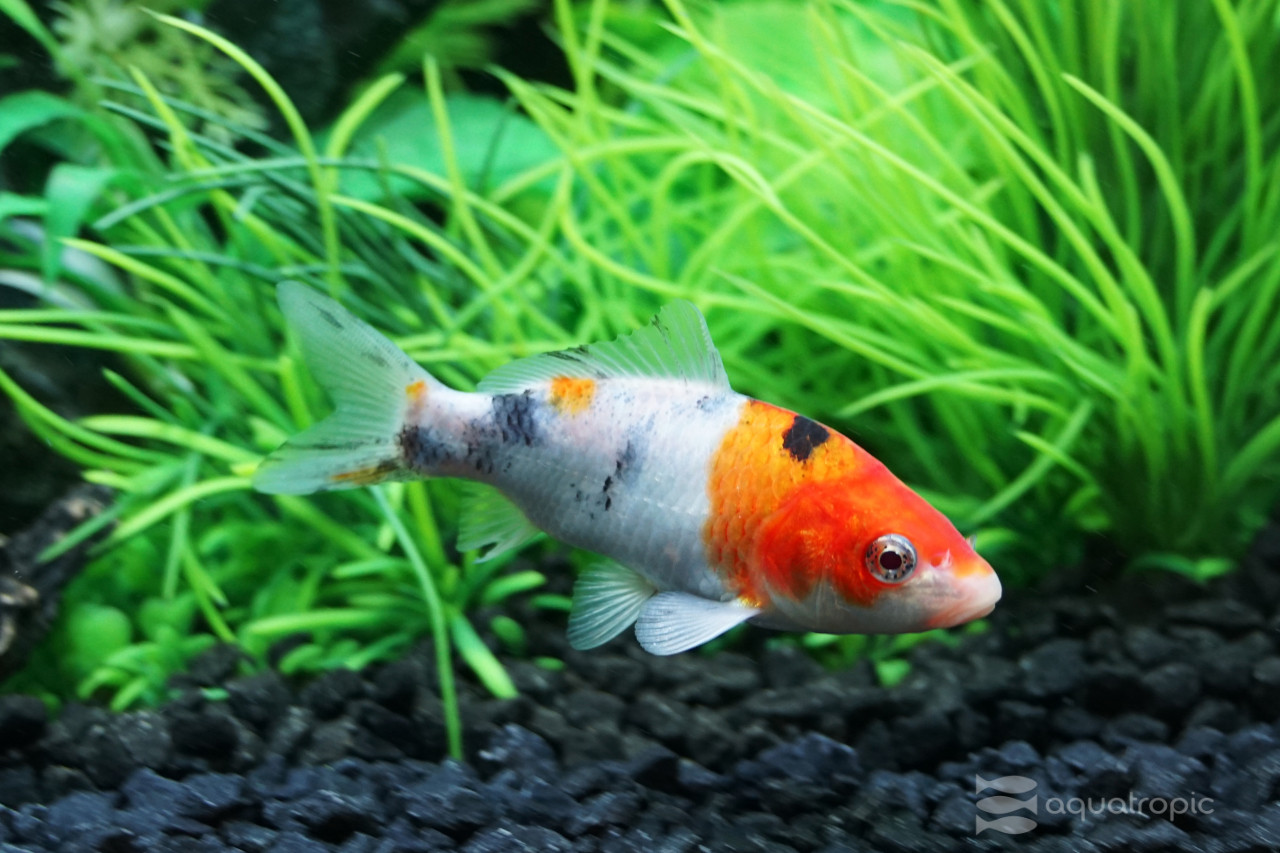
Every year during the season, we delve into the topic of ponds on this site. The vast majority of that conversation revolves around Koi, and occasionally Goldfish. This is because they're outstanding to look at; Koi cruising in slow, deliberate loops, or goldfish flashing orange beneath the lily pads. It's an understandable default. In addition, both fish are hardy, gorgeous, and about as close to a sure thing as the ornamental fish world gets. This all being said, that's a pond, and you're a fish keeper and the world could be your oyster. The real limitation here is one of temperature control. Most of our backyard ponds aren't heated, limiting our fish choices to fairly adaptable species. For those of you with a heated pond, oh wowza, be look out for that article. In the meantime, let's stick to some more temperate species.
If we're looking for species that like similar conditions, the option for “highlight fish” comes to the fore. There's a whole cast of hardy, characterful species that can round out a water garden with texture, movement, and behavior that Koi and goldfish simply don't offer. Some of these fish work as a schooling counterpoint to slow, graceful Koi. Others burrow and forage in ways that turn a pond into a living ecosystem rather than a static display tank. Here are a few thought primers for species worth considering the next time you're stocking a pond.
We bet you've never considered having a group of Dojo Loaches, Misgurnus anguillicaudatus, in a pond before, but revel in the concept now. Also called the Weather Loach for its habit of becoming restless and swimming erratically before a storm, this eel-like bottom dweller is remarkably cold tolerant, capable of surviving temperatures that would put most tropical fish belly-up. It spends its days rooting through substrate in search of debris and small invertebrates, which makes it a genuinely useful cleanup crew member rather than just a pretty fish-face. The standard mottled brown-and-gold form is quite handsome, but the Gold Dojo Loach variant, with its bright orange-yellow body, brings a real pop of color to the lower levels of a pond. Dojos are peaceful, sociable, and best kept in groups. Their sinuous, almost snake-like movement adds a completely different kind of motion to a pond than the broad, deliberate strokes of Koi.
For anyone who wants a mid-water schooling fish that can tolerate a chill, can reproduce fast enough to take some losses to predation, and won't get outcompeted, the White Cloud Mountain Minnow, Tanichthys albonubes, deserves serious consideration. Originally hailing from cool mountain streams in southern China, this little minnow tolerates a wide temperature range and has been dubbed the "poor man's neon tetra" for its shimmering blue-green body and red-tipped fins. A shoal of White Clouds moving together in open water creates a shimmering effect that catches the light beautifully, and because the species is so undemanding, it thrives even in ponds that see a real seasonal chill. Another shimmering shiner worth a mention is the Rainbow Shiner Minnow, Notropis chrosomus, a native North American species whose males flush with iridescent blue and rosy-pink during breeding season. Both minnows are small enough to avoid being a threat to plants or other pond residents, and their constant, darting activity gives a pond a sense of liveliness that larger, slower fish can't replicate on their own. Both species will also eat mosquito larvae! White Clouds are very chill tolerant, but won't make it through a real winter, so you'll need to bring some inside to overwinter if you live somewhere with consistent sub 50 degree winter water temperatures.
Ooooh, we almost forgot about Medaka, Oryzias latipes, sometimes called the Japanese Rice Fish, a species with a captive pedigree almost as long as Koi's own. Medaka have been selectively bred in Japan for generations, and the trade now offers an enormous range of color forms, from the classic orange Himedaka to sparkling, glitter-scaled varieties like the Stardust and Galaxy strains, whose scales seem to catch light like tiny sequins. Medaka are miniature compared to Koi and goldfish, rarely growing past an inch and a half, but what they lack in size they make up for in constant surface activity, hovering near the top of the water in loose, glittering groups. If you add lots of them, they'll flash like gems just under the surface of your pond while eating every aquatic insect they can fit in their (admittedly small) mouths! Historically raised in the flooded paddies of Japanese rice farming, they're well adapted to shallow, planted water and handle temperature swings with ease, making them a natural fit for the marginal shelves of a pond where sun-warmed water tends to collect. It's best to pick a single color, as they will certainly breed and you've got a better chance of keeping them colorful if you don't mix strains.
None of these species will replace the visual impact of a big, healthy Yamabuki Ogon Koi cruising through clear water, and that's fine, because that's not really the point. Each of them fills a different niche that Koi and goldfish leave open: bottom-dwelling cleanup, mid-water schooling motion, or a shimmering surface presence reminiscent of Koi's own ornamental history but on a miniature scale. Mixing a few of these into an existing pond setup, provided water volume and filtration can support the extra bioload, tends to make the whole system feel more alive and layered. A pond stocked with only Koi or only goldfish is a lovely thing, but a pond that also has Dojo Loaches working the substrate, minnows flashing through open water, and Medaka glittering near the surface starts to feel less like a display piece and more like a small, functioning slice of a natural waterway. Before adding any of these species, the careful aquarist always checks local regulations, since a few species have the potential for substantial negative impact if they get released and others have legal restrictions that vary state by state. Within a contained backyard pond, there's a wide and rewarding world of fish beyond the usual suspects. Head to your Pond Supply Store, and if they don't stock anything different and interesting, your Local Fish Store does! Always ask for Aquatropic.