Flat Out Fantastic
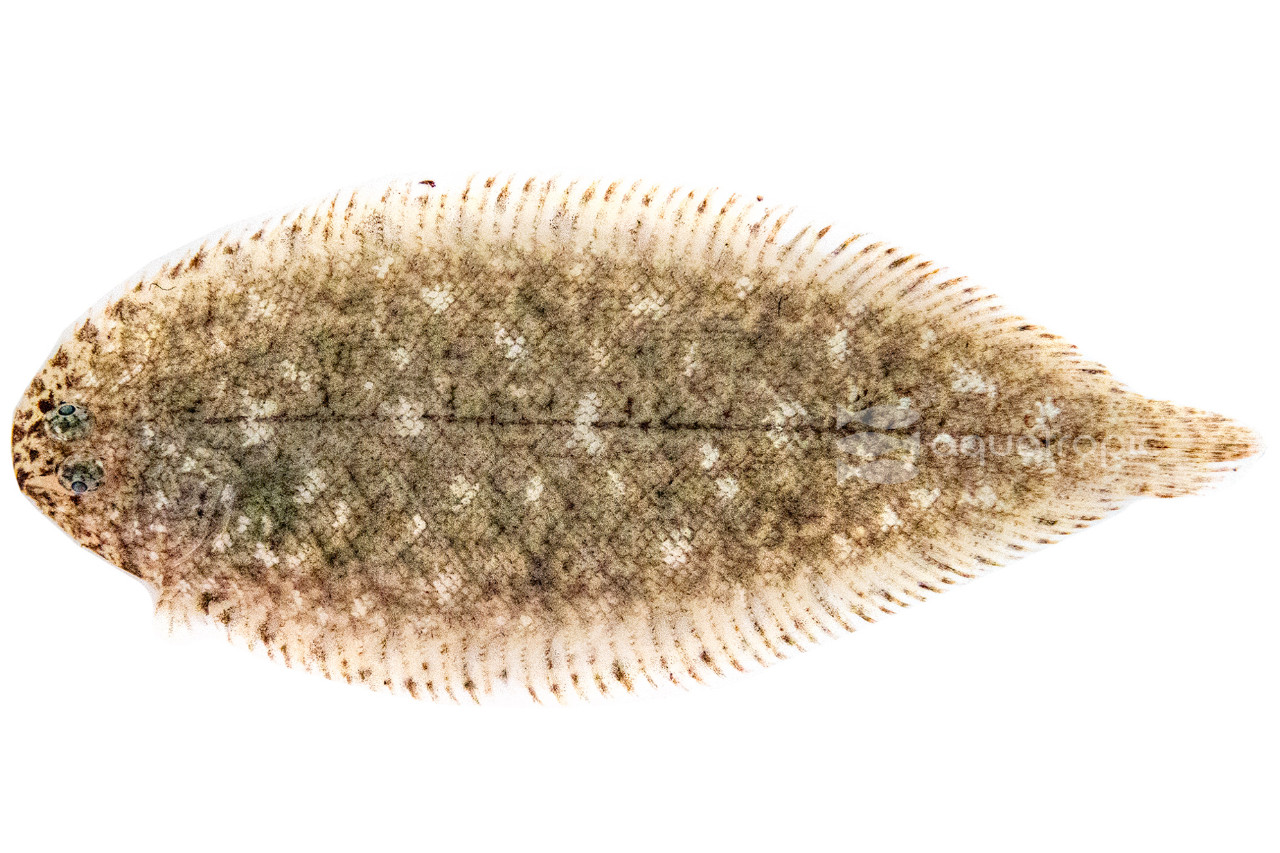
Leptachirus klunzingeri is a freshwater and brackish sole, and like the sole of your shoe, it's as flat as a coaster, and it wears a mottled brown pattern that makes it vanish against sand the moment it settles. Most hobbyists know it as the Tailed Sole or Klunzinger's Tailed Sole, and in its native Australia it is also called the Kimberley Sole. The specie’s name also gets spelled a dozen different ways, and we've seen it misspelled enough to stop being surprised. The correct spelling is klunzingeri, honoring the German zoologist Carl Klunzinger. Once upon a time, there was one widespread “species” that was this fish. More recently, Taxonomists have split this group into a whole genus of incredibly similar look-alikes, and so it can happen that some fish sold under this name from other regions may actually be sister species. For the aquarist the care is nearly identical, so at least you have that going for you, which is nice. It's still one more reason to buy from a source that knows what it's handling
Whatever you call them, these are small fish, and the genus tops out at roughly two to three and a half inches. The name Leptachirus comes from the Greek for "thin," a nod to a body that is slenderer than its marine relatives in Aseraggodes. Klunzinger's Soles come from freshwater and brackish creeks, rivers, and mangrove margins of southern New Guinea and northern Australia. That tells you what kind of aquarium to build. Tank size is where this fish is easy to get wrong. A sole doesn't use volume, it uses floor. Height is wasted on a fish that spends its life literally pressed into the substrate, so we'd rather see a 20 gallon long than a tall 29. A single sole can live happily in a tank of that size, and a small group does well in a 40 breeder or something with similar footprint. Give them a lid, too. They are not famous jumpers, but a flat fish startled off the bottom in the dark can surprise you, and a snug cover is cheap insurance.
Water chemistry is more forgiving than the fish's delicate looks suggest, but stability is a requirement. We keep ours between 75 and 80°F, with a pH somewhere between 7.0 and 7.5 with middle of the road hardness. Klunzinger's Soles come from habitats that can swing between fresh and slightly salty, and it appreciates a touch of salinity, and many keepers successfully run a very light brackish setup around 1.002 to 1.005 specific gravity. Fresh works, brackish works, and the best thing you can do for either is hold it steady. A mature, well cycled filter is non-negotiable, and gentle, diffuse flow is preferable to a tank that sounds like a car wash.
Aquascaping for Sole is our favorite part. Substrate is a primary concern here; fine, soft sand about one to two inches deep, because a sole buries itself to the eyeballs and spends a good chunk of its day that way. Coarse gravel or sharp-edged sand will scrape that delicate underside, so skip it. A pale or mid-tone sand also shows off the fish's ability to change its camouflage, which is half the fun of owning one. On top of the sand, think of the usually slow-moving creek mouth these fish come from. Well-worn driftwood, tangled roots, perhaps a scatter of leaf litter, and a few smooth stones create the shaded, broken landscape they prefer. Leave generous open sand between the hardscape pieces, because the sole needs room to glide, hunt, and settle. Subdued lighting and / or a layer of floating plants can help make a usually nocturnal fish more willing to come out. Plants that tolerate hard water or a touch of salt, like Java fern, anubias, and vallisneria, all fit nicely and can also stay out of the way of the sand bed.
Klunzinger's Soles are slow, deliberate feeders with small mouths. In the wild its diet is heavy on small invertebrates, mostly aquatic insects and crustaceans. In the aquarium we start with live or frozen foods such as Gamma White Mosquito Larvae, Mini Bloodworms, as well as Mysis, and all the Brine Plus offerings. Very picky fish might want live food initially, and here we would suggest you get some Nutramar Live Artemia, which come gut loaded with Nutramar Phyto IC, when offered with the other frozen options, most animals will come to consume them greedily. Target feeding with a baster or tongs near the fish after lights dim can also help trigger a feeding response for hesitant fish. Likely the most common issue people have is that their Klunzinger gets out-competed for food by faster fish at the surface, so watch whether yours is really getting anything to eat. If they're getting plenty of food, you won't need to feed them more than a few times a week. Smaller specimens can still be fed daily.
Tankmates should be chosen for their same gentleness. This is a peaceful, retiring fish that is more likely to be bullied than to bully, so the guiding rule is to avoid anything boisterous, nippy, or large enough to eat it. Small, calm mid-water and surface level fish are ideal. In fresh water, dwarf rainbowfish, small rasboras, and peaceful tetras are all good choices, and they stay out of the sole's way entirely. If you lean brackish, Halfbeaks are perfect, but Glassfish, and small Mollies could also make fine companions. Nerite snails are a nice cleanup crew in either case. Steer people away from fish like cichlids (often bullies) and pufferfish (nipper city), or anything else that treats the bottom of the tank as its territory. Be cautious with crustaceans; big crayfish will happily pester or snack on a half-buried sole, and tiny shrimp may become a snack for the sole itself.
New arrivals deserve a quiet introduction. Acclimate slowly, keep the lights low for the first few days, and expect a fish that buries itself and may not eat for a day or two. That is normal behavior, not a warning sign. Give it time, offer food in the evening, and once it settles in, you will see it pop out of the sand, glide along the glass, and do the camouflage trick that we love so much. Klunzinger's Sole will never be the loudest fish in anyone's aquarium, and that is a compliment. Not every fish should be a showstopper. This is a fish you lean in to find and then can't stop watching. Build it a soft sand bed, a shaded creekbank like aquascape, and a calm crew of tank buddies and you'll have a display that rewards quiet attention more than almost any other freshwater setup we know. If you've been looking for something different for your next tank, ask your local Aquatropic retailer about the Tailed Sole. It's worth the hunt.