Australian freshwater fish like to dine out, relying on land-based food sources
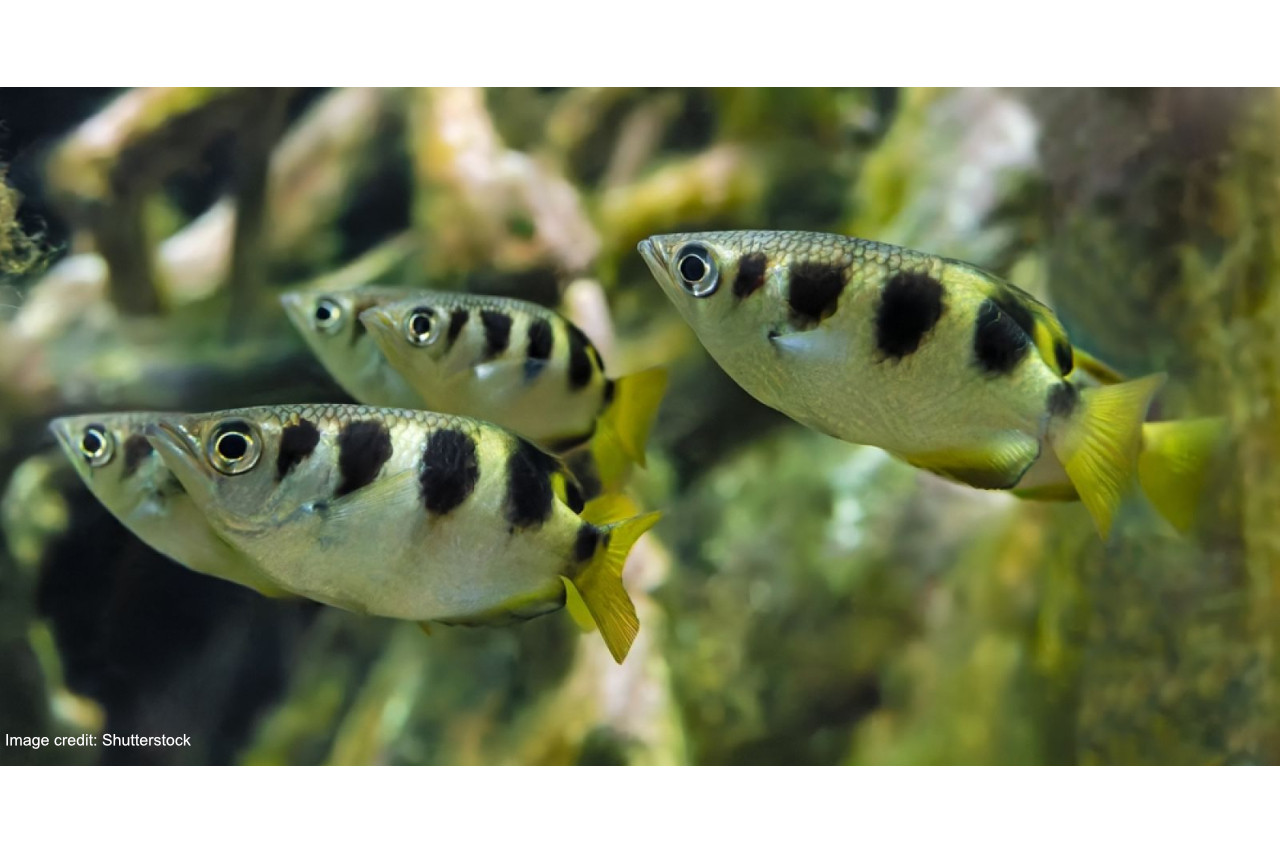
A new study published in Freshwater Biology found that nearly half of Australia's native freshwater fish rely on food sources that originate outside of rivers and streams, including insects, worms, spiders, fruits, and other plant material from surrounding land. Researchers analyzed the diets of 137 native fish species and discovered that many fish cannot depend solely on aquatic food sources. The findings highlight the important role that terrestrial ecosystems play in supporting freshwater fish populations, especially in Australia's nutrient-poor environments.
The study revealed that terrestrial invertebrates are a significant food source for about one-quarter of Australia's freshwater fish species, particularly jollytails and rainbowfish. Fruit consumption was especially common among grunters and fork-tail catfish, with species in northern Australia's tropical regions feeding on native fruits such as figs, bush plums, and river cherries. Researchers found that factors such as fish size, mouth shape, digestive adaptations, and regional climate all influence how fish utilize land-derived foods.
Scientists believe these feeding habits are an evolutionary response to Australia's highly variable climate, where aquatic food sources may not always be consistently available. The research also emphasizes the importance of protecting riverside vegetation, known as riparian zones, which provide critical food resources that fall into waterways and sustain freshwater ecosystems. As freshwater fish face increasing threats worldwide, the study demonstrates that conserving surrounding terrestrial habitats is essential for the long-term health and survival of many native fish species. Read Gaby Clark's article to learn more Australian freshwater fish like to dine out, relying on land-based food sources