Sparkling Spring Clean(ers)
It seems nearly everything in aquarium keeping is about balance. How much light? How much food? How much flow? Even maintenance requires balance. On one side of the scales there are you, doing water changes, cleaning filters, testing the water and wiping down the glass. On the other side of the scales are the animals you keep in the aquarium. Some of these just add to your workload, but many can help you clean the place up! Since spring is the season of cleaning, now is the time to do it!
A well-chosen cleanup crew can help you sift substrate, attack algae, destroy detritus, and even put a stopper in death (maybe not that last part) or at least clean up uneaten food. Think of them as the landscape (waterscape) crew for your underwater gardens.
Facing facts, when most hobbyists say clean up, the target in mind is algae. Having a ton of algae is a sign that some of your husbandry is off and you need more water changes, better filtration and / or less food. Once you have the balance right, and need the clean up to commence, some of the best fish in the business for attacking algae are Otocinclus Cats. Tiny, hardy, and busy as all get out, these are unstoppable algae destroying machines. They'll stick to glass, rocks and even broad-leaved plants eating the film off them before it ever becomes a problem. Otos like to be kept in large groups, so get a minimum of six, and double digits would be better.
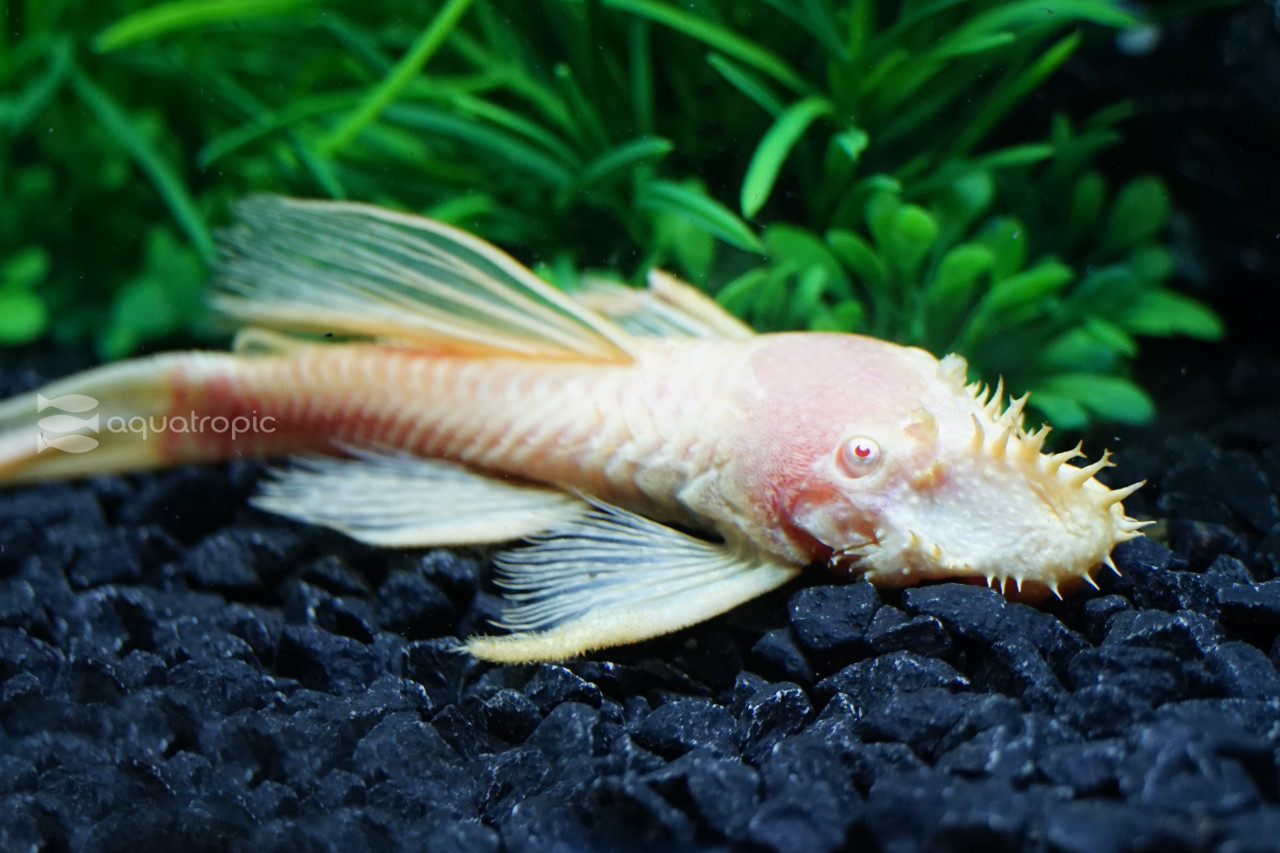
Bristlenose Plecostomus (and in fact many other plecos) are really good at cleaning the spot up a bit. Like Otos, they'll stick to just about anything that can support them, leaving a trail of clean in their wake. They do produce quite a bit of waste as well, so be sure to keep up with the vacuuming during your water changes. Bristlenose Plecos get much bigger than Otos, and don't need to be kept in groups.
Arguably the best snail for the home aquarium is the Nerite. These things will destroy algae, diatoms, and biofilms while leaving your plants alone. They require brackish water to reproduce, so their populations can't get out of control without you intervening on their behalf. It doesn't take too many to rip through all the algae in a small tank, so start with one per ten gallons and be patient. You're going to end up feeding this snail algae when it gets done.
Where does all the fish waste and uneaten food end up in your aquarium? Unless you have some really insane up flow, it all settles somewhere on the bottom, and if that bottom is sand or gravel (or marbles, or anything but a bare tank really) you might want some help cleaning it up. Unattended, this detritus will dissolve / rot and spike your nutrient levels, taking us back to square one (address the husbandry side of the scale).
What can you use to help clean up the mess before it becomes messier? We like, no we loooove Corydoras. Super social, peaceful, active and dare we say, charming? These little fish will vacuum up any morsel that gets past the swimmers higher in the water column. They also like to be kept in groups and are much more fun to watch that way start with a minimum of six, but they don't get big and you're going to want more. Go for double digits if you have space.
While they aren't usually looked at as cleaners, Kuhli Loaches are great at getting places where no other fish can get, and because they'll total omnivores, they'll eat pretty much anything they find in those nooks and crannies, eliminating leftover food. On top of this, they're rad as heck and easy to keep.
One of the true detritus vacuums available to freshwater aquarists is the Golden Rabbit Snail (Tylomelania sp). These gorgeous critters are invaluable for cleaning up just about everything you don't want in a tank: film algae, hair algae, fish poo, leftover food, and the list goes on. This is a bigger snail, so you don't need a ton of them. They'll reproduce in the home aquarium, but they give live birth to a fairly large and well-developed snail, so the rate of reproduction is slow (and your friends are going to want some). Make sure they are well fed if you keep them in a planted aquarium to prevent them from going after your softer plants.
If we're going to talk about cleaners, we have to talk about Shrimp, and if we're going to talk about Shrimp, we have to start with Amanos. These little legends are the featherweight champs of the algae control, small but so effective. They were named for Takashi Amano who is more than worth an article of his own. Amanos will also eat Black Brush Algae, something that few other species can claim.
There are lots of beautiful and super effective shrimp, and we can't go through each and every one of them (at least in this article). That said, we'd be remiss if we didn't at least give Cherry Shrimp a nod. There’re very few critters on the planet who can keep a planted aquarium as absolutely pristine (and look ridiculously good doing it) as an attack squadron of Cherry Shrimp. They'll reproduce readily in the home aquarium and soon you'll have enough for more of your aquariums!
We should reiterate that if you have an algae problem, there is usually a husbandry problem at the root of it. So, try to fix whatever is ailing your system (nutrients) before treat the symptom (algae). When you add cleaners, know that they need to be fed too. You should always check compatibility of species, adding Cherry Shrimp to your Frontosa tank is going to end is some very happy Cichlids, and some very digested Shrimp. Lastly, invertebrates are always sensitive to copper, so never use medications that contain copper in tanks where there are snails or shrimp, or clams, etc. You want a gorgeous tank, and we want you to have it! Keep the scales balanced and employ the right helpers! Happy Spring Cleaning!