AI model analyzes 52 factors to flag extinction risks for 10,000 fish species
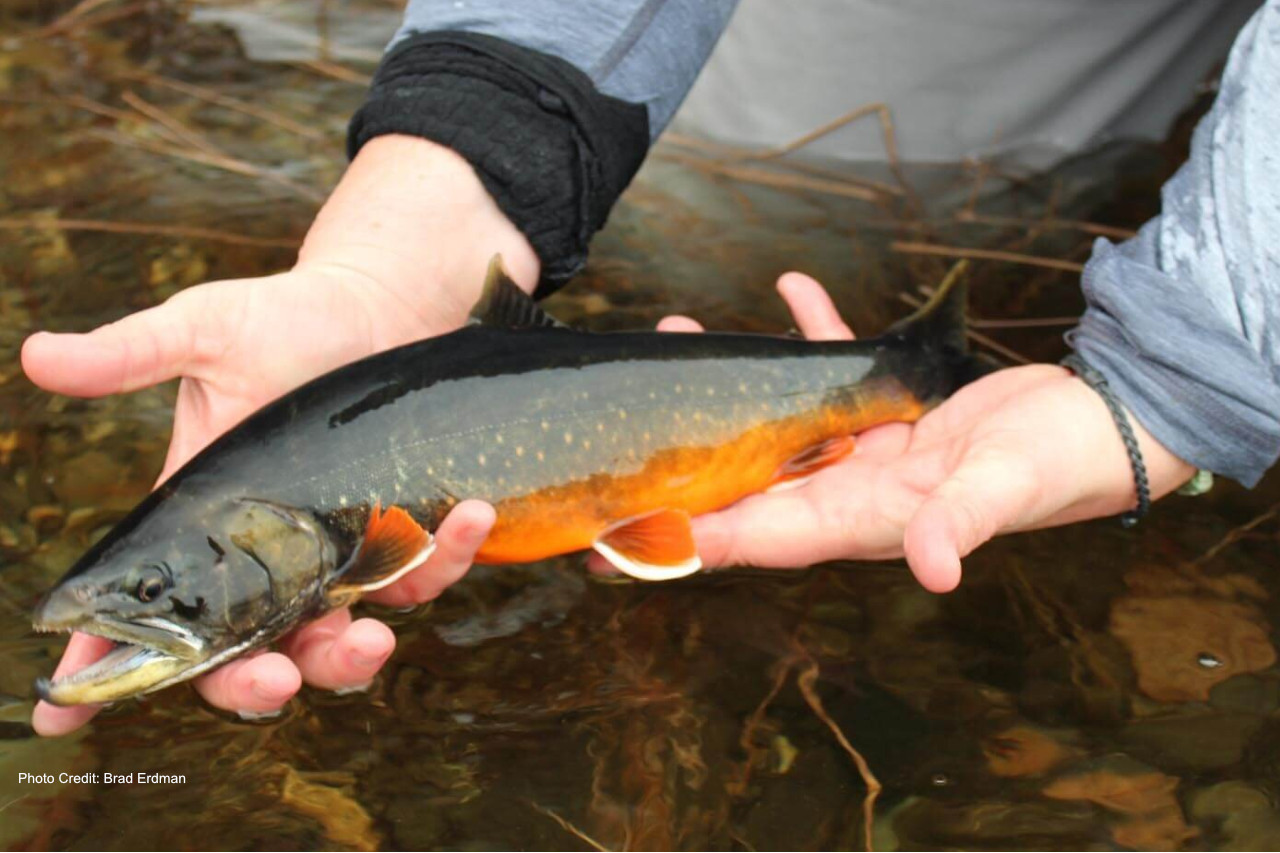
Nearly one-third of freshwater fish species worldwide are at risk of extinction, posing serious threats to food systems, ecosystems, and recreational activities. Motivated by this growing crisis, University of Maine assistant professor Christina Murphy sought a more efficient way to detect risks before species become endangered. After five years of research, Murphy and her colleagues developed a computer model capable of identifying potential threats across more than 10,000 freshwater fish species globally. Their findings suggest that many species, including Maine’s Arctic Char, can still be protected through early intervention.
The model expands beyond traditional conservation assessments by analyzing 52 ecological, environmental, and socioeconomic variables such as damming, water use, habitat degradation, pollution, invasive species, and economic factors. Built using publicly available data from 12 sources — primarily from the International Union for Conservation of Nature — the tool applies artificial intelligence to evaluate millions of complex, nonlinear relationships. This approach enables researchers and managers to determine which species face immediate danger, understand why, and identify risks that may threaten currently stable populations. Validation against existing assessments demonstrated strong reliability.
A key insight from the study is that indicators of ecological “well-being” are often more consistent than the numerous pathways leading to decline, allowing conservationists to better recognize what conditions support species survival. Murphy emphasizes that this predictive capability supports proactive conservation, enabling managers to implement targeted protections that benefit multiple species simultaneously. Researchers believe the framework could inform broader conservation and planning efforts and potentially be adapted for other organisms, such as birds and plants. By helping decision-makers allocate resources earlier, the model aims to prevent species from reaching critical endangerment stages. To learn more, head to Marcus Wolf's article AI model analyzes 52 factors to flag extinction risks for 10,000 fish species