A Bumblebee Sized Bumblebee Goby
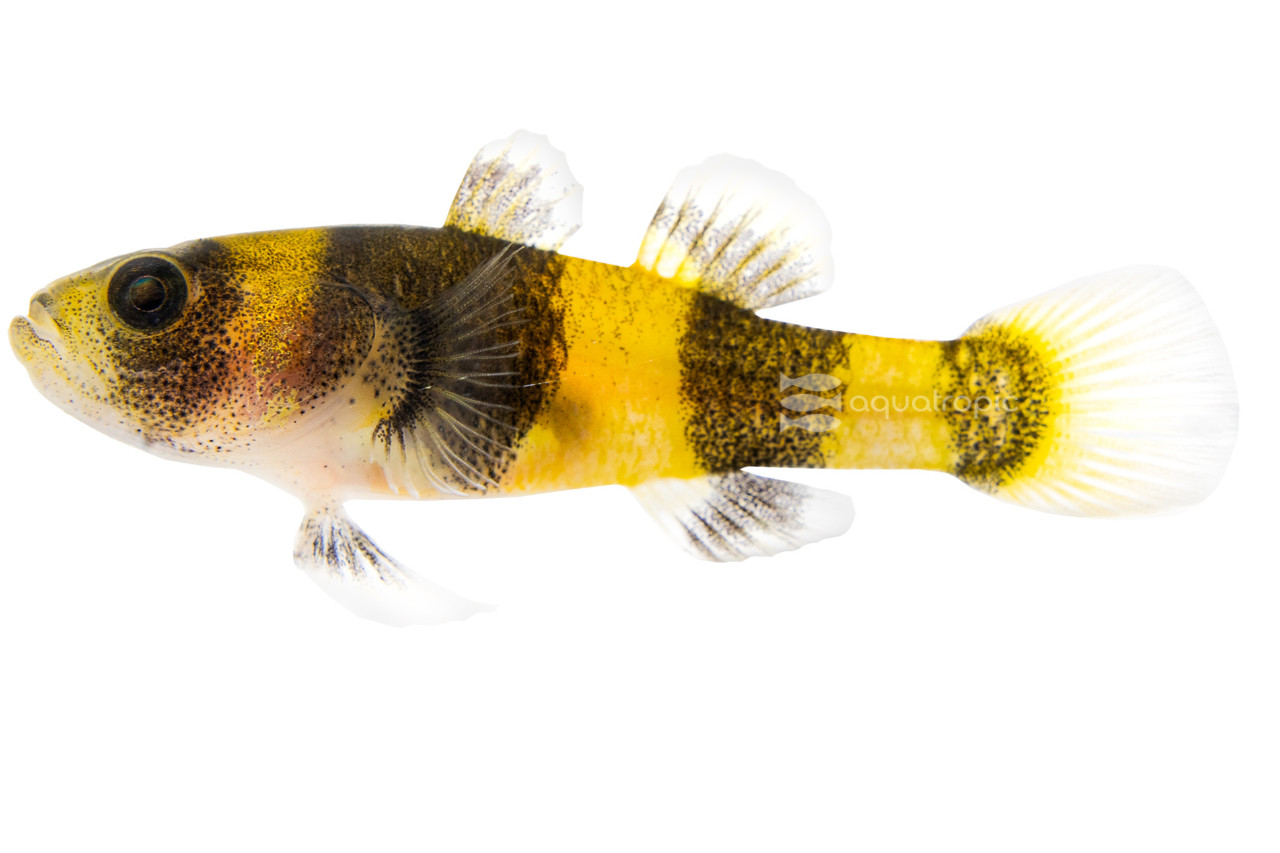
Brachygobius xanthomelas is one of several fish called a Bumblebee Goby, right now (02/2026) there are at least nine other species in this genus (and possibly more) and all of them could be called Bumblebee and sometimes are many are also called Zebra Gobies. This specific fish is also frequently called the Spotted Bumblebee Goby, which is the name we use in house. It can be difficult to tell most of the Bumbles apart without counting scales or fin rays unless you know where they came from, which adds to the confusion in many retailers and home aquariums around the world. When you look for care recommendations in regard to water chemistry for SBGs, you'll find a lot of contradictions, and this is all part of people who are giving advice about fish a that may or may not be the fish in your aquarium. If you've come here looking for advice on keeping Brachygobius xanthomelas, and you're pretty sure that's what you've got, then you're in the right place.
Many species in this genus that are brackish water fish, and this is not one of them. They'll tolerate a little salt in the water but will fail to thrive in a fully brackish or tidal environment. In the wild, Brachygobius xanthomelas is found all over Indonesia and Malaysia in peat swamps, lowland backwaters and slow-moving streams that are generally soft, slightly acidic and tannin stained. The bottoms of these water bodies are usually soft, with lots of cover in the way of leaf litter, submerged wood and scattered plants. Water should be warm, between 72 and 82, warm and clean. They don't need much if any flow but will need filtration and water changes that are sufficient to keep the nitrates under 20ppm (ideally).
Spotted Bumblebee Gobies aren't much bigger than actual Bumblebees and they will max out around ¾ of an inch long. This means they won't need that big of an aquarium, even for the minimum group of six, and we'd recommend more like nine plus. Even with this larger group, you could keep them in an eight-to-ten-gallon aquarium. We've seen aquariums for these fish be anything from a bare bottom tank with some PVC tubes, all the way to very elaborate planted displays. While we'd suggest some level of stain and leaf litter (which will help with the stain), you should let your imagination run when aquascaping for Spotted Bumblebees. Just make sure that there is enough cover so that the more timid among your fish can hide from the more aggressive aquarium inhabitants.
One of the other benefits of incorporating some leaf litter into your display is that as these leaves break down, they create food for a ton of little other critters that will become brunch for your Bumblebees and one thing that SBGs love is live food. Any time you can offer them gut loaded Artemia (brine shrimp) like the Nutramar Live Artemia that comes loaded from feeding on Nutramar Live Phyto IC, you should definitely do so. Nearly all the Bumblebee Gobies available to home hobbyists are still wild caught, so they aren't going to be used to frozen or processed foods. Take the opportunity to mix small but nutritious things like Gamma Brine Plus Spirulina, Brine Plus Omega 3, Rotifers, and Daphnia and Nutramar Complete Crumbles in with the wild food until your fish starts to recognize all that stuff as food too. You can also supplement their diet with your own homegrown (or LFS grown) live food like Tubifex, Microworms, and even your own Brine Shrimp.
What else can you put in a Bumble tank? Honestly, we think the best way to display them is to do so by themselves. They aren't aggressive, or even all that motivated when it comes to eating, so they can be pretty easily out competed when the dinner bell rings. Aquarists often keep them with decorative shrimp, though the babies of these shrimps are very likely to be breakfast for the Bumbles. Another common choice is snails. If you're going to keep them with other fish, keep them with peaceful fish that occupy other levels of the aquarium, things like Galaxy Rasboras, Endler's and Guppies are good choices. Some of the smaller Tetras could work as well, but you'll need to take steps to make sure that enough food is getting down to the SBGs. Avoid overly aggressive fish and known fin nippers.
Do you have a little tank that needs some big intrigue? You could have a group of Brachygobius xanthomelas in an aquarium that's basically fishbowl sized on your desktop! These tiny little fish are beautiful, and interesting additions to any petite, peaceful, piscine playground. On their own, or mixed with some contrasting Shrimp and Fish, they'll make for a very unique and beautiful display. If you're interested, head to your Local Fish Store and ask them for some Brachygobius xanthomelas from Aquatropic today!